REVIEW · TERCEIRA
Terceira: Whale & Dolphin Watching | Best Wildlife Tour
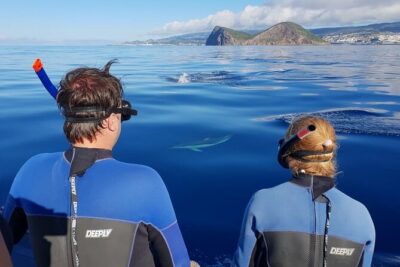
Terceira’s whale and dolphin tour puts you in the middle of one of the Atlantic’s best marine-watching areas. The crew combines high lookout points on the island with long-range binoculars, then guides the boat toward wild animals without chasing them. I like the 98 percent reported sighting rate and the chance to hear underwater sounds through a hydrophone. I also like the sighting guarantee, which offers a free return trip if no whale or dolphin appears.
The main catch is simple: these are wild animals, not a scheduled show. You may see dolphins, whales, or both, but no particular species is promised. The $82 price is fair for a carefully run 2.5-hour outing, though it can feel high if you see only distant dolphins and no whale.
Key points to know before you book
- 29 cetacean species have been recorded around the Azores, giving you a real chance of seeing different kinds of marine life.
- Land-based whale spotters help locate animals before the boat approaches, a smart system that saves time on the water.
- A hydrophone is included, so you can listen for underwater sounds as well as watch the sea.
- Guide Iara received especially warm praise for her enthusiasm, answers, and ability to keep the boat engaged during a six-species sighting.
- The tour lasts 2.5 hours, with wind jackets supplied, but you should still bring warm clothing and water.
- No-sighting protection is included: you receive a free new tour, while unsafe weather brings a full refund.
Why Terceira is such a strong whale-watching base
The Azores sit in the open Atlantic, where several cetacean species pass through or live in the surrounding waters. The islands have recorded 29 species of whales and dolphins, roughly one third of the world’s known cetacean species. That does not mean you will see 29 species in one trip, but it explains why the area has such a strong reputation.
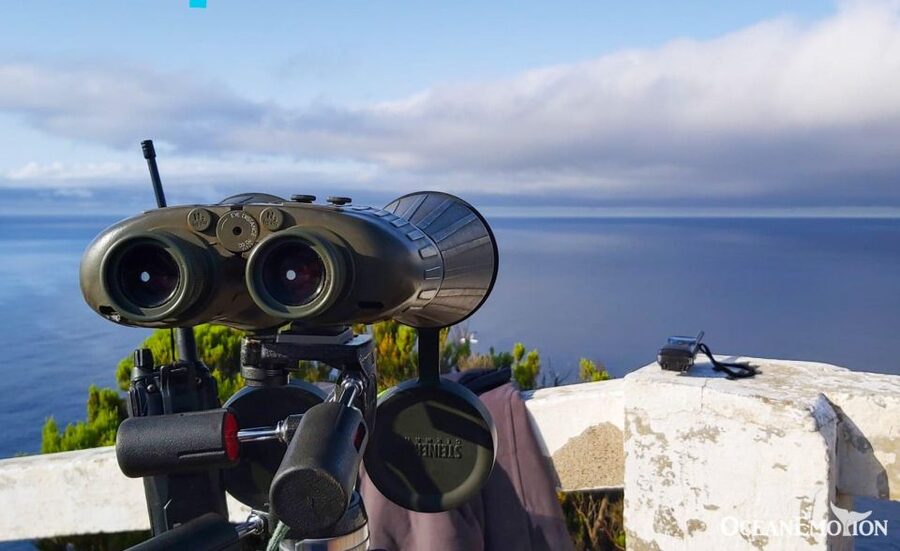
I like the fact that this is not simply a boat ride with someone scanning the horizon at random. OceanEmotion uses lookouts on high points around Terceira. These spotters watch with long-range binoculars and communicate with the boat team. That gives the crew a better idea of where to go before fuel, time, and patience run short.
Still, the ocean makes the rules. A sighting can last seconds or several minutes. Dolphins may travel quickly in a large group, while a whale may surface once and disappear. The right mindset is to treat the trip as wildlife watching, not a guaranteed performance.
More Dolphin and Wildlife Eco Tours in Portugal
- Faro: Dolphin and Wildlife Watching in the Atlantic Ocean
★ 4.8 · 637 reviews - Small Group Dolphin and Wildlife Watching Tour in Faro
★ 5.0 · 578 reviews - Sagres: Wildlife Tour Dolphins and Caves
★ 4.7 · 106 reviews
Beginning at the OceanEmotion office
You meet directly at the OceanEmotion office, identified by its red cover. There is no hotel pickup or drop-off, so you need to arrange your own way to the meeting point. Plan to arrive ready for the sea rather than expecting a long check-in process or transport from elsewhere on Terceira.
The tour is offered in English, Portuguese, and Spanish. A private group is also available if you want a more personal setup or prefer not to share the boat with a larger public group. The supplied information does not give a fixed group size, so ask the operator about the boat and capacity if that matters to you.
Wear comfortable shoes and warm clothing. Even if the day feels mild on land, wind can make an open-water trip feel much colder. A wind jacket is included, but I would still bring an extra warm layer. Bring water, and keep clothing comfortable enough for sitting, standing, and watching the horizon.
Smoking, glass objects, and alcohol are not allowed in the vehicle. Pregnant people and those with back or heart problems are advised not to take the activity.
How the lookout system shapes the 2.5-hour trip
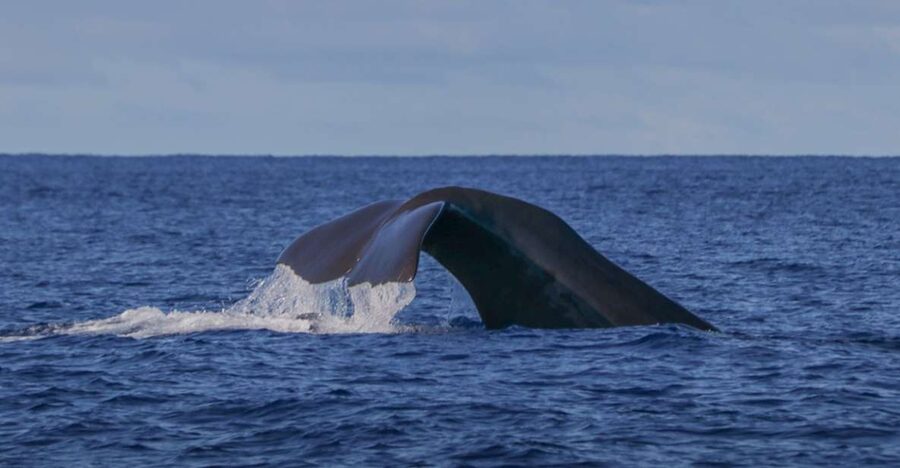
The most useful part of the operation happens before you see anything. Land-based spotters scan the water from elevated points, then help the crew choose a direction. This approach gives the boat a working target instead of sending it in circles.
Once the boat reaches the area, the guide helps you identify what is happening. You may need to watch for a dorsal fin, a blow, a dark shape at the surface, or a sudden change in the water. The guide’s job is not just to point, but to explain what you are seeing and help you avoid missing quick appearances.
The company follows the Azores code for cetacean observation. That matters because a good wildlife trip should not come at the expense of the animals. Boats need to approach with care, avoid reckless pursuit, and allow the animals to move freely.
The tour’s advertised success rate is about 98 percent for seeing at least one whale or dolphin across the year. Read that carefully. It is a promise of a whale or dolphin sighting, not a promise of both, close views, or a particular species.
Dolphins, whales, and the changing quality of a sighting
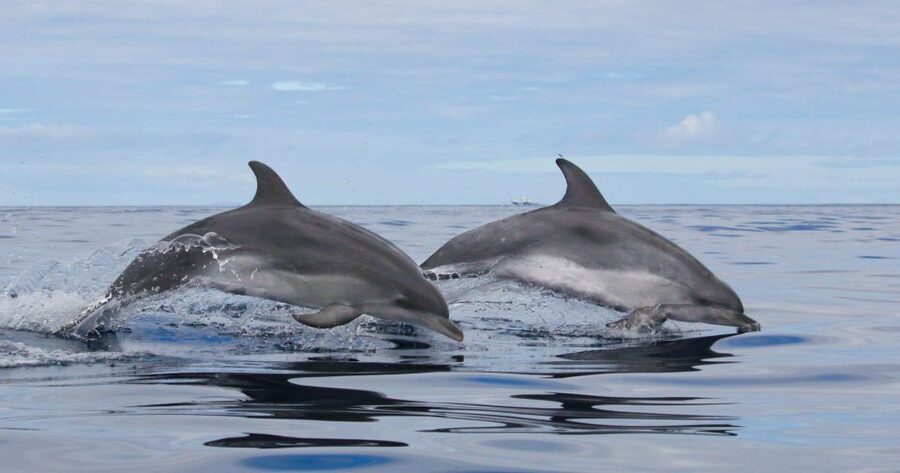
Dolphins are often the more reliable sighting, and they can offer some of the most exciting moments. A large group traveling together can make the sea feel suddenly busy with motion. One recent outing included two dolphin species moving in a very large pack, which is the kind of scene that can make the ticket worthwhile even without a close whale encounter.
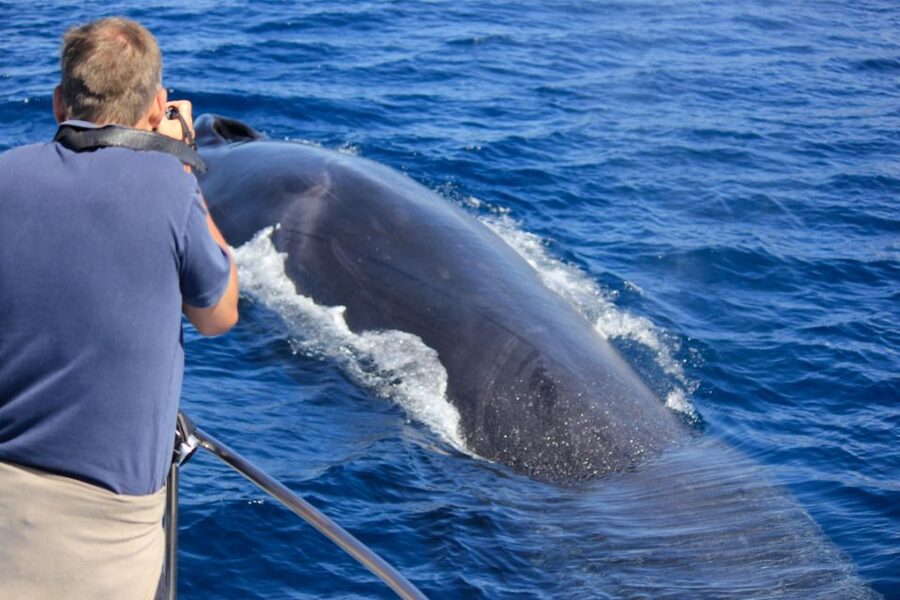
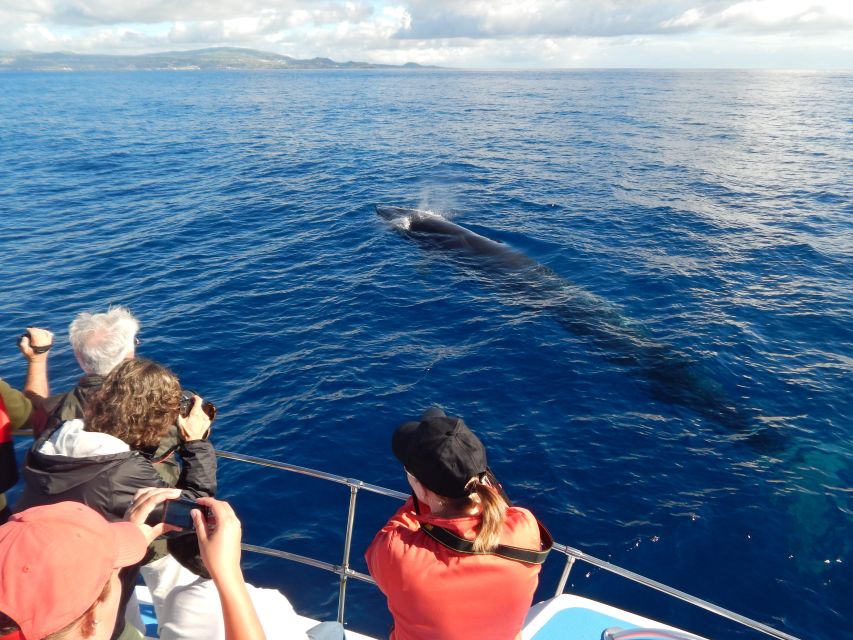
Whales offer a different kind of experience. A Bryde’s whale was seen calmly making circles during one trip. That sort of sighting may feel quieter than a fast-moving dolphin group, but it gives you time to watch the animal’s pattern and scale.
The best days can be unusually productive. Guide Iara led an outing that saw six species, and her enthusiasm helped make the experience memorable. Her name is worth noting if you happen to see her on the schedule, though guides can vary. The important point is that the human side of the trip matters. A guide who answers questions and keeps everyone focused makes a big difference when the animals are not immediately visible.
You should also know that whale sightings are harder to achieve than dolphin sightings. One Spanish-speaking customer found dolphins likely but whales difficult to see, and felt the price was somewhat high compared with other activities on Terceira. That is a fair warning. If your main goal is a whale, choose your expectations carefully and consider booking early enough in your visit to leave room for a second attempt.
More Whale and Dolphin Watching Tours in Portugal
- From Funchal: Ecological Catamaran Dolphin Whale Watching
★ 4.5 · 8,204 reviews - Funchal: Dolphin and Whale Watching Catamaran Cruise
★ 4.5 · 5,697 reviews - From Ponta Delgada: Whale and Dolphin Watching Trip
★ 4.7 · 4,109 reviews - Funchal Bay: Dolphin & Whale Watch Luxury Catamaran Cruise
★ 4.2 · 2,684 reviews
The hydrophone adds an extra sense
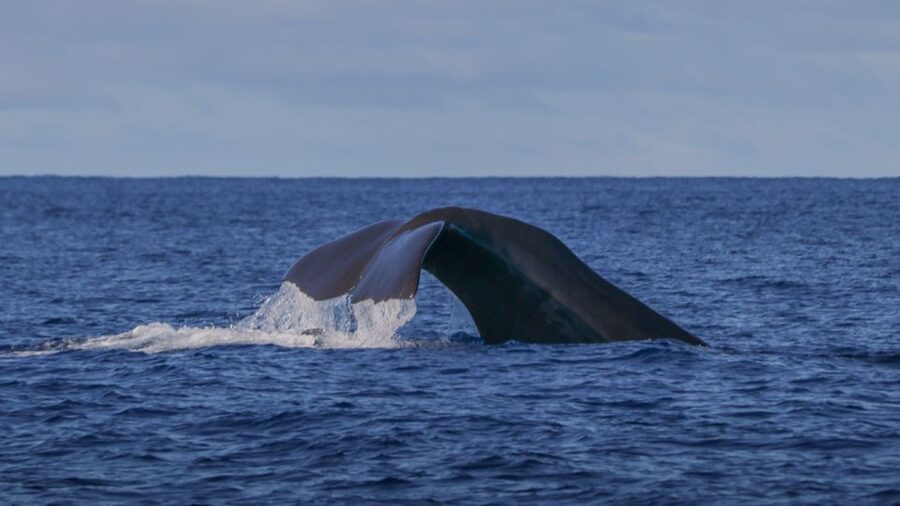
A hydrophone is included, allowing you to listen to sounds beneath the surface. It gives the trip another layer. You are not only watching for movement above the water, but also paying attention to what may be happening below it.
The hydrophone will not remove the uncertainty of wildlife watching, and the available information does not promise a particular sound or species response. Still, it helps turn quiet waiting into active observation. The guide can use it as a tool for explaining the animals and the marine environment.
This is one reason the tour offers more than a simple sightseeing cruise. The experience asks you to watch, listen, and stay alert. Bring patience along with your camera.
What the price means at $82
At $82 per person, this is not the cheapest way to spend a morning or afternoon on Terceira. You are paying for a specialized operation, lookout staff on land, a marine guide, safety equipment, insurance, a hydrophone, and the chance to return free of charge if the boat finds no whales or dolphins.
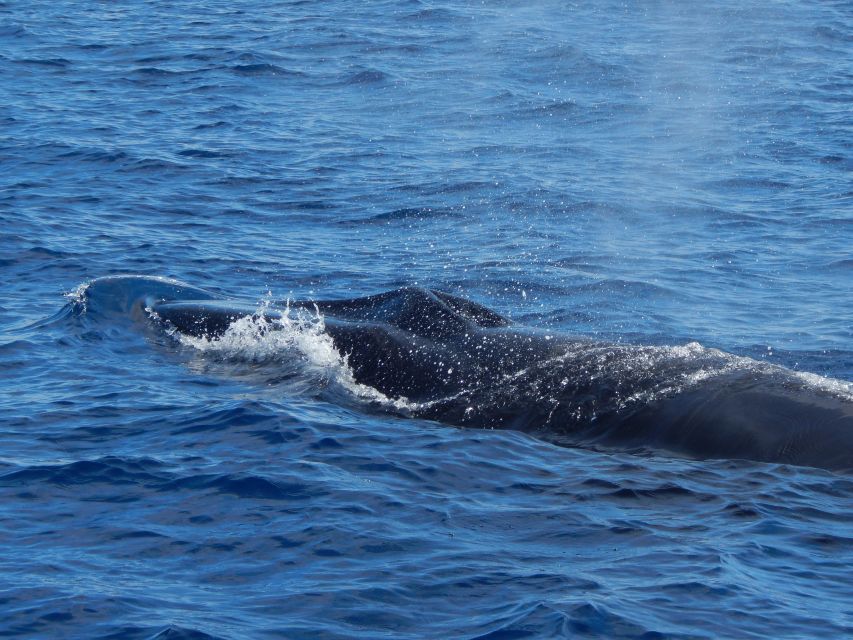
The value depends heavily on the sighting. A large dolphin group, a whale circling nearby, or several species can make the price feel reasonable. A short or distant encounter may leave you wishing the cost were lower, especially since food and drinks are not included and transport to the office is your responsibility.
I would judge the price against the nature of the activity rather than against a standard boat trip. This is a wildlife search supported by a wider spotting system. The price also buys some protection against a blank outing, since the company offers another tour if nothing is seen.
You should confirm how the replacement trip works if your schedule is tight. The information promises a free new tour, but your ability to use it will depend on how long you remain on Terceira and whether another departure has space.
Comfort, safety, and weather
The tour lasts 2.5 hours, long enough to give the crew time to locate animals but short enough to fit into a busy island itinerary. You may spend part of that time watching the horizon, so comfort matters more than dressing for a short harbor cruise.
A wind jacket is included, but warm clothing is still recommended. Comfortable shoes are important, as are practical clothes that can handle wind and sea spray. Water is also recommended, while food and drinks are not supplied.
Weather can change the plan. If conditions make the activity impossible, the company promises a full refund. That is different from canceling because you simply changed your mind. For a personal cancellation, you can receive a full refund if you cancel at least 24 hours ahead.
The tour is not suitable for pregnant people or those with back or heart problems. If you have a medical concern that is not clearly covered by those categories, ask the operator before booking rather than making a last-minute decision at the office.
What kind of group will enjoy this most
This is a strong choice for nature lovers, photographers, families with older children, and anyone who wants to see Terceira from a marine viewpoint. It suits people who enjoy the search as much as the final sighting.
It is also a good fit if you care about responsible wildlife watching. The lookout system and conduct code suggest a more measured approach than simply racing toward every fin. The guide’s explanations and hydrophone add interest for people who want more than a quick photograph.
You may want to skip it if you dislike open-water uncertainty, have mobility or health concerns noted above, or need a guaranteed close encounter. It is also less suitable if your schedule is so tight that you cannot use the free replacement trip after poor luck.
For the best chance of enjoying it, book this early in your Terceira stay if possible. That gives you time to try again if weather cancels the outing or the sea refuses to cooperate. The available booking terms let you reserve now and pay later, which can help keep your plans flexible.
Should you book OceanEmotion’s Terceira tour?
I would book it if seeing wild dolphins or whales is one of your main goals on Terceira. The combination of island lookouts, a marine guide, hydrophone, wind jacket, and no-sighting protection gives the $82 price a reasonable foundation.
I would not book it expecting a guaranteed whale, a close approach, or a nonstop show. Dolphins may be the more dependable result, while whales require luck, timing, and patience. If you can accept that, this is a well-supported way to spend 2.5 hours in the Atlantic, with a strong chance of seeing at least one cetacean species.
FAQ
Where does the whale and dolphin tour meet?
You should go directly to the OceanEmotion office, identified by its red cover. Hotel pickup and drop-off are not included.
How long does the activity last?
The tour lasts 2.5 hours. Starting times depend on availability.
How much does the tour cost?
The listed price is $82 per person.
What marine animals might I see?
The waters around the Azores are home to whales and dolphins. The company has recorded 29 cetacean species in the area, but no particular species is guaranteed.
Is a whale sighting guaranteed?
No. The company guarantees a sighting of at least one whale or dolphin, but it cannot guarantee whales, dolphins, or both on a specific tour.
What happens if no whale or dolphin is seen?
You are offered a new tour free of charge if there are no sightings during your trip.
What happens if bad weather cancels the activity?
If weather makes the tour impossible, the company guarantees a full refund.
Which languages are available?
The live guides speak English, Portuguese, and Spanish.
What should I bring?
Bring comfortable shoes, warm clothing, water, and comfortable clothes. A wind jacket is provided. Food and drinks are not included.
Just added around Portugal
- X Plorer – Caves (Benagil) & Dolphins Cruise★ 4.5 · 116 reviews
- Vilamoura: Boat Tour Dolphin Quest & Marine Life Search★ 4.9 · 71 reviews
- Azores: Swim with Dolphins Atlantic Experience★ 4.4 · 29 reviews
- Dolphin Watching and Cave Tour from Vilamoura★ 4.0 · 63 reviews
- Vilamoura Tour to Benagil and the Dolphins★ 4.0 · 14 reviews
- Dolphin Quest & Marine Life Search★ 5.0 · 90 reviews
- Terceira Island: Swimming with Wild Dolphins | Natural Habitat★ 5.0 · 17 reviews
- Terceira Island: Whale & Dolphin Watching | Best Wildlife Tour★ 4.0 · 24 reviews
Terceira Dolphin Tours, compared.
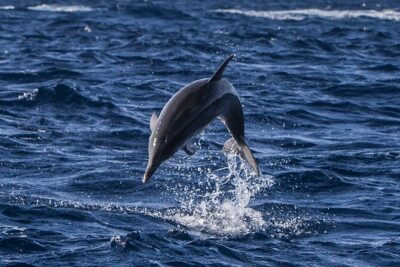
Watching whales and dolphins on Terceira Island
Read our review →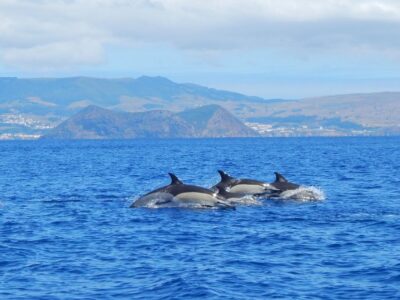
Terceira: Swimming with Wild Dolphins | Natural Habitat
Read our review →Whale and Dolphin Watching Tour at Terceira Island
Read our review →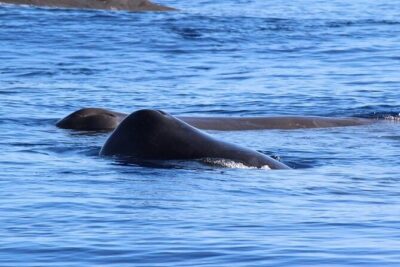
Terceira Island: Whale & Dolphin Watching | Best Wildlife Tour
Read our review →