
REVIEW · TERCEIRA
Whale and Dolphin Watching Tour at Terceira Island
The best part of this Terceira outing is the chance to see several kinds of whales and large groups of dolphins in open Atlantic water. Sightings are never guaranteed, but the crew combines shore-based lookout points with local marine know-how to give you a strong chance of finding wildlife. Some trips have seen three whale species, more than 100 dolphins, and even a sea turtle.
I like the small maximum group of 24, which gives you a better view than a crowded boat. I also like the practical setup: a short safety talk, supplied raincoats and life vests, and live commentary from marine guides. The main drawback is simple: this is a sea trip, so rough weather, changing conditions, and animal behavior can affect what you see.
The tour begins at Marina d’Angra in Angra do Heroísmo and lasts about two to two and a half hours. Guides may include Francis and John, though staff can vary. You return to the same marina, and no hotel transport, food, or drinks are included.
Key points before you book
- Three whale species have been seen on a single morning tour, along with a large herd of common dolphins.
- Lookouts on Terceira’s south coast help guide the boat toward areas with the best chance of sightings.
- The boat carries no more than 24 people, a useful limit for finding a clear viewing spot.
- Raincoats and life jackets are supplied, but food and drinks are not.
- The tour returns to Marina d’Angra, making it practical if you are already in Angra do Heroísmo.
- Free cancellation is available up to 24 hours before departure, with weather-related changes handled by the operator.
Why Terceira is a fine place for a whale trip
Terceira sits in the Azores, an Atlantic island group known for marine life as well as volcanic scenery. This tour gives you a look at the island from the water, where the focus shifts from streets and viewpoints to whales, dolphins, seabirds, and whatever else appears near the boat.
The Azores are a good setting for this kind of outing because the sea around the islands supports many forms of life. The tour is not just a fast boat ride with a hope of spotting a fin. The guides explain the biodiversity of the region and help you understand what you are seeing. That makes a difference when a distant animal surfaces for only a few seconds.
I also like the use of land-based lookouts along the south coast. These observers watch the sea from strategic points and help identify promising areas. The boat then heads out from Angra using that information. It is a more thoughtful approach than simply driving around at random.
Still, wildlife watching always involves uncertainty. You may see several species close to the boat, or you may spend stretches of time scanning the water. The operator offers a refund or another date if poor weather cancels the tour, but there is no promise that every departure will produce the same spectacular sightings described by other customers.
More Whale and Dolphin Watching Tours in Portugal
- From Funchal: Ecological Catamaran Dolphin Whale Watching
★ 4.5 · 8,204 reviews - Funchal: Dolphin and Whale Watching Catamaran Cruise
★ 4.5 · 5,697 reviews - From Ponta Delgada: Whale and Dolphin Watching Trip
★ 4.7 · 4,109 reviews
Starting at Marina d’Angra
Your meeting point is Porto das Pipas, at Marina d’Angra in Angra do Heroísmo. The activity ends at this same location, so you do not need to arrange a separate return ride.
The outing starts with a short briefing. You learn basic safety rules and receive an introduction to the types of whales and dolphins you might see. This is useful preparation, especially if you are not familiar with the difference between a whale’s blow, a dorsal fin, and a group of dolphins moving together.
The crew provides a waterproof jacket and life vest before you board. That matters in the Azores, where sea conditions can change and spray is part of the experience. You should still dress for time outdoors and remember that the supplied raincoat protects against wet conditions, not every form of cold or wind.
The marina is near public transportation, but hotel pickup and drop-off are not included. If you are staying elsewhere on Terceira, allow enough time to reach Angra on your own. Cruise ship passengers need to provide the ship name, docking time, time ashore, and required re-boarding time when booking. That information helps the operator judge whether the departure fits your port visit.
Two to two and a half hours on Atlantic water
Once the briefing is over, the boat heads away from Angra toward the chosen viewing area. The stated duration is about two hours, with the full trip sometimes lasting closer to two and a half. That is long enough to reach productive water while still fitting into a morning or afternoon plan.
The ride itself is part of the outing. You are not being taken to a fixed viewing platform. The boat travels across open water in search of moving animals, and the route depends on information from the lookouts and conditions at sea.
The crew provides live commentary during the trip. Guides explain the species you may encounter and point out signs of animal activity. Their role is part naturalist, part spotter, and part safety leader. Guides such as Francis and John have received especially strong praise for being friendly, clear, and attentive to animal welfare. Staff may vary, and the experience can also be operated by a multilingual guide.
Keep your eyes moving rather than staring at one point. A whale can surface some distance away, while dolphins may appear as a wide group moving across the water. The boat may slow down or change direction when the crew sees a promising sign. That searching process can be exciting, but it also means the pace is not fully predictable.
What you might see near Terceira
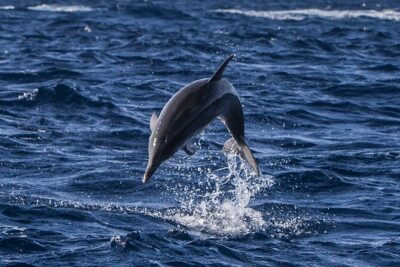
The main targets are whales and dolphins, but the exact mix changes from trip to trip. On one outing, the group saw three species of whale and a large herd of common dolphins. Another trip included two whale types and more than 100 dolphins. A turtle was also seen during one Atlantic crossing.
These details show the range of the experience without promising a fixed wildlife list. You might see a single whale surfacing in the distance, several animals together, or dolphins traveling in a large group. The crew works to give you the best opportunity, but the sea does not follow a script.
The dolphin sightings can be especially dramatic when a large group appears. A herd of more than 100 animals changes the scale of the trip from a single brief sighting to a broad movement across the water. Whales offer a different kind of moment, often based on patience and careful watching.
The guides also add value by helping you notice smaller clues. A blow, a fin, or a sudden change in the water can be easy to miss without someone scanning ahead. The commentary connects each sighting to the wider marine environment, so you come away with more than a few photographs.
Same water, a different way to meet them:
- Albufeira: 2.5-Hour Benagil Caves & Dolphin Watching
★ 4.6 · 10,710 reviews - Albufeira: Benagil Caves & Dolphin Watching Speed Boat Tour
★ 4.6 · 6,316 reviews - Albufeira: Dolphin Watching and Benagil Cave
★ 4.7 · 5,658 reviews - Dolphins Search and Benagil Caves from Albufeira
★ 5.0 · 4,814 reviews
Small-group seating and animal welfare
The maximum group size is 24 people. That is not a private charter, but it is small enough to feel more manageable than a large sightseeing boat. You have a better chance of moving your gaze from one side of the boat to the other and finding a clear line of sight.
A small group also makes the guide’s commentary easier to follow. If the boat changes course or an animal appears behind you, instructions can be passed around more quickly. The size is particularly useful for families and first-time wildlife watchers who may need help knowing where to look.
Animal welfare is an important part of the operation. The guides are described as taking care around the animals and answering questions about their behavior. That is worth considering when you compare tours. A good whale trip should not be judged only by how close the boat gets, but also by how responsibly the crew behaves.
You should expect the boat to maintain a suitable approach rather than chase animals aggressively. The goal is to watch wildlife in its own setting, not turn the sea into a performance. The exact viewing distance and length of each encounter depend on the animals and the conditions.
Is the $71.90 price good value?
At $71.90 per person, this is not a bargain boat ride, but it is a fair price for a two to two and a half-hour wildlife excursion with a local guide, live commentary, supplied rain gear, and a group capped at 24 people.
The price makes the most sense if you value the search as well as the sighting. You are paying for the boat, crew, route planning, shore-based lookout network, and local interpretation. You also get the chance to see several species in their natural environment, something a land-based attraction cannot provide.
The value rises if your departure produces multiple whale species, a large dolphin herd, or additional wildlife such as a turtle. But you should not book on the assumption that those highlights are guaranteed. If your main goal is a certain species or a close photograph, the price may feel harder to justify on a quiet day.
Food and drinks are not included. Bring anything you need for the outing, but only the supplied items and the stated inclusions are guaranteed. There is no hotel transfer, so factor in your own transport to Marina d’Angra.
The best time and type of visitor
An early departure can work well for people who want to keep the rest of the day open. One 8:30 AM outing produced three whale species and a large group of common dolphins, though one successful morning does not prove that every early trip will be better.
The tour suits you if you enjoy nature, do not need every moment tightly scheduled, and can accept some uncertainty. It is also a good fit if you want to learn about the Azores while watching wildlife rather than simply taking a scenic boat ride.
Families can participate, but children must be accompanied by an adult. Most people can take part, though the information provided does not promise a smooth ride or a special seating arrangement. If you are prone to discomfort on boats, consider that the experience takes place on open sea and lasts at least two hours.
Cruise ship passengers should be especially careful with timing. The operator needs your ship and port schedule at booking, but you still need to make sure the chosen departure leaves enough time before re-boarding. Since the activity returns to the marina, the route is straightforward, but delays at sea can never be ruled out.
Weather, cancellation, and practical planning
The activity depends on good weather. If conditions are poor and the operator cancels, you can choose another date or receive a full refund. The same options apply if the minimum number of participants is not reached.
You can cancel for a full refund up to 24 hours before the start time. Changes made less than 24 hours before departure are not accepted, and a late cancellation is not refunded. The cut-off follows local time in Terceira.
I would avoid placing this trip immediately before an important flight or a tight connection. The planned duration is clear, but the sea and weather can affect operations. Give yourself a little breathing room, especially if the trip is a major part of your island visit.
The tour is offered in English, and a multilingual guide may operate the departure. Confirmation is sent when you book, and the ticket is mobile, so you can keep the booking on your phone.
What makes the experience memorable
The strongest feature is the combination of excitement and explanation. You are not simply hoping to spot a whale. The guides help you understand the Azorean sea, identify animals, and follow the logic behind the search.
I also like that the trip can deliver variety. Sightings have included whales, common dolphins, different dolphin species, and a turtle. You may get one excellent encounter or several short ones, but every sighting has the added interest of being wild and unscripted.
The crew’s attitude matters, too. Strong praise has focused on friendly guides, clear answers, humor, and care around the animals. Those qualities can turn a quiet period of searching into a worthwhile lesson instead of dead time.
The chief weakness remains the lack of control. Even an excellent crew cannot order whales to surface or dolphins to appear. If you need certainty, choose a land-based attraction. If you can accept suspense and changing conditions, the uncertainty is part of what gives the trip its edge.
Should you book the Terceira whale and dolphin tour?
I would book this experience if you have at least one open morning or afternoon in Terceira and want a close look at the island’s marine life. The 24-person limit, shore-based lookout system, live commentary, and strong record of varied sightings make the $71.90 cost reasonable.
Book it with realistic expectations. You may see three whale species and a hundred dolphins, or you may have a quieter search at sea. The right reasons to go are the chance to see wild animals, the setting, and the guide-led learning, not a guaranteed photograph.
For the best fit, choose this tour if you are staying near Angra do Heroísmo, can reach Marina d’Angra independently, and are comfortable with a weather-dependent boat trip. With free cancellation until 24 hours before departure, it is also easier to fit into a flexible Azores itinerary.
FAQ
Where does the whale and dolphin tour begin?
The tour begins at Marina d’Angra, Porto das Pipas, 9700-154 Angra do Heroísmo, Portugal.
How long does the experience last?
The trip lasts approximately two to two and a half hours. The initial safety briefing takes place before boarding.
What is included in the price?
The tour includes live commentary on board, a local guide, a waterproof jacket, and a life jacket.
Are food, drinks, and hotel transfers included?
No. Food and drinks are not included, and hotel pickup and drop-off are not provided.
What happens if bad weather cancels the tour?
You can choose another date or receive a full refund if the operator cancels because of poor weather.
Can cruise ship passengers join this experience?
Yes, but cruise ship passengers must provide the ship name, docking time, disembarkation time, and re-boarding time when booking.
Just added around Portugal
- X Plorer – Caves (Benagil) & Dolphins Cruise★ 4.5 · 116 reviews
- Vilamoura: Boat Tour Dolphin Quest & Marine Life Search★ 4.9 · 71 reviews
- Azores: Swim with Dolphins Atlantic Experience★ 4.4 · 29 reviews
- Dolphin Watching and Cave Tour from Vilamoura★ 4.0 · 63 reviews
- Vilamoura Tour to Benagil and the Dolphins★ 4.0 · 14 reviews
- Dolphin Quest & Marine Life Search★ 5.0 · 90 reviews
- Terceira Island: Swimming with Wild Dolphins | Natural Habitat★ 5.0 · 17 reviews
- Terceira Island: Whale & Dolphin Watching | Best Wildlife Tour★ 4.0 · 24 reviews
Terceira Dolphin Tours, compared.
Watching whales and dolphins on Terceira Island
Read our review →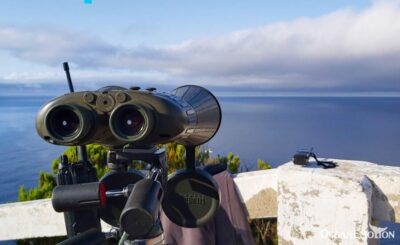
Terceira: Whale & Dolphin Watching | Best Wildlife Tour
Read our review →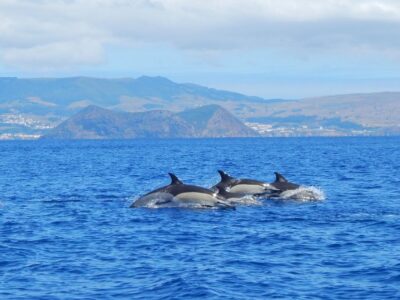
Terceira: Swimming with Wild Dolphins | Natural Habitat
Read our review →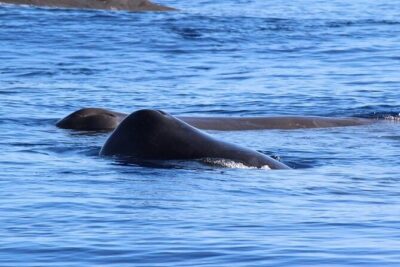
Terceira Island: Whale & Dolphin Watching | Best Wildlife Tour
Read our review →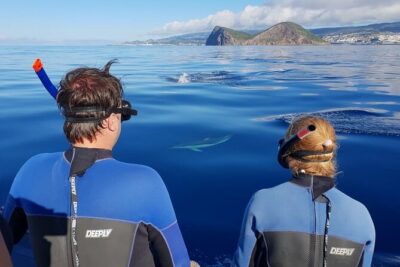
Terceira Island: Swimming with Wild Dolphins | Natural Habitat
Read our review →Browse the lists this tour appears in