
REVIEW · NEW ZEALAND
Captain Cook and Dolphin Cruise
A cruise through Queen Charlotte Sound gives you something Picton’s roads cannot: close views of wildlife in remote coves and islands. The crew searches for Hector’s, bottlenose, and dusky dolphins, New Zealand fur seals, rare king shags, and other seabirds while explaining the Māori and Captain Cook connections to the area.
I like the strong conservation link, with part of the fare supporting the plants and animals you see. I also like the live, hands-on approach: binoculars and species cards are provided, and guides such as Captain Paul, Alice, Will, Andy, Courtney, and Tristan have been praised for their wildlife knowledge and friendly work with families.
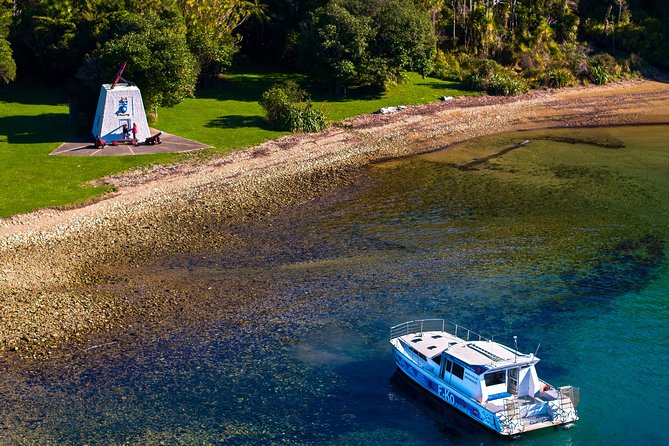
The main caution is comfort. Seating can be limited, and some people have had to stand while the boat is moving. Ship Cove is peaceful and beautiful, but it is not a full Captain Cook museum, and the boat shown in some promotional images is not the vessel you will ride.
Key points before you book
- Wildlife comes first: Expect a real search for dolphins, seals, and seabirds, not a guaranteed animal show.
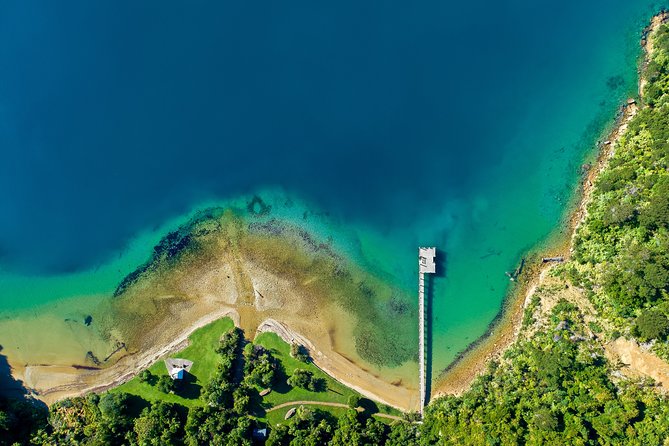
- The boat reaches remote places: Queen Charlotte Sound, Ship Cove, and Motuara Island are difficult to reach by road.
- Several dolphin species are possible: The tour looks for Hector’s, bottlenose, and dusky dolphins.
- Captain Cook’s story is tied to Ship Cove: You learn about his 170 days in the area and his contact with Māori communities.
- Bring patience and warm clothing: Wind, limited seating, and changing wildlife conditions shape the day.
- The $104.26 price includes useful extras: A professional guide, commentary, national park fees, and light refreshments are covered.
Sailing from Picton into Queen Charlotte Sound
The tour begins at E-Ko Tours on Wellington Street, a convenient meeting point on Picton’s waterfront. Check in 15 minutes before departure. On cruise ship days, the morning departure is at 8:30, which makes this a practical choice if your ship schedule lines up.
From Picton, the boat heads into Queen Charlotte Sound. The four-hour route is as much about the scenery as the animals. You move through steep green hills, sheltered inlets, and water that opens into wider views before narrowing again around the coves.
I like that the crew does not treat the cruise as a simple scenic ride. The guides explain what you are seeing as the boat moves, then slow or stop when wildlife appears. That matters in the Marlborough Sounds, where a dolphin sighting can be brief and a seabird may be easy to miss without someone pointing it out.
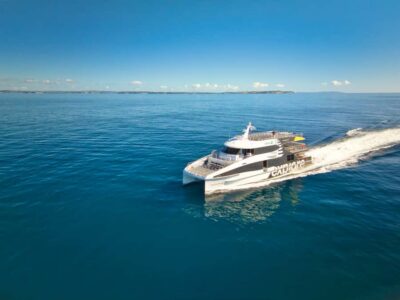
The boat is a modern motorized touring vessel, not an old sailing ship. That is worth knowing before you book, especially if a historic-looking image has caught your eye. You will be on a practical wildlife boat designed to cover the sound and search for animals, rather than on a Captain Cook replica.
A few more dolphin trips around New Zealand worth a look
- Akaroa Dolphins ~ Harbour Nature Cruise
★ 5.0 · 2,143 reviews - Auckland Dolphin and Whale Watching Eco-Safari Cruise
★ 4.5 · 1,790 reviews - Auckland: Whale and Dolphin Watching Half-Day Eco Cruise
★ 4.5 · 1,072 reviews
Watching for dolphins, fur seals, and rare birds
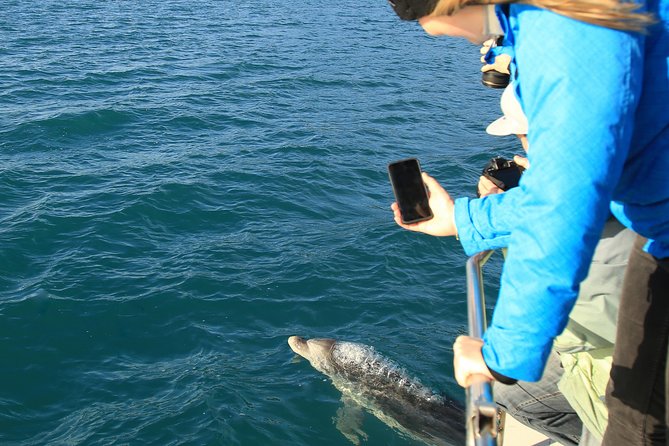
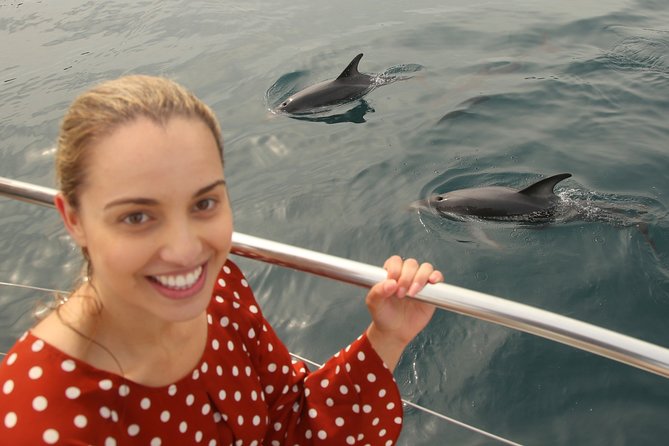
The central reason to book this trip is the chance to see marine life in its natural setting. The crew looks for three dolphin types: Hector’s, bottlenose, and dusky dolphins. You may see them close to the boat, but sightings remain dependent on the animals and the conditions.
That uncertainty is part of the deal. One outing produced close dolphin encounters and seals, while another did not find dolphins but still located several other species. You should book this as a wildlife search, not a guaranteed dolphin performance.
The crew also looks for New Zealand fur seals. A seal resting on a rock can be easier to spot than a dolphin, but it is still a fine sight, especially when the boat can approach without disturbing it. The guides also search for seabirds, including rare and protected king shags.
You receive binoculars and species identification cards to use during the cruise. These are small but worthwhile touches. Instead of simply pointing at a distant bird, the guide can help you compare markings, shape, and behavior.
If you enjoy birds, this tour may be more rewarding than its name suggests. The wildlife list includes marine mammals, but the rare seabirds give the trip a distinct New Zealand focus. Keep your eyes moving and listen carefully when the guide calls out a sighting.
Ship Cove and Captain Cook’s time in the sound
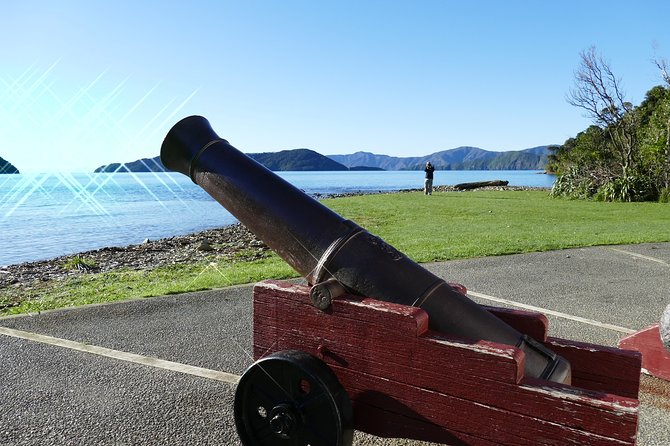
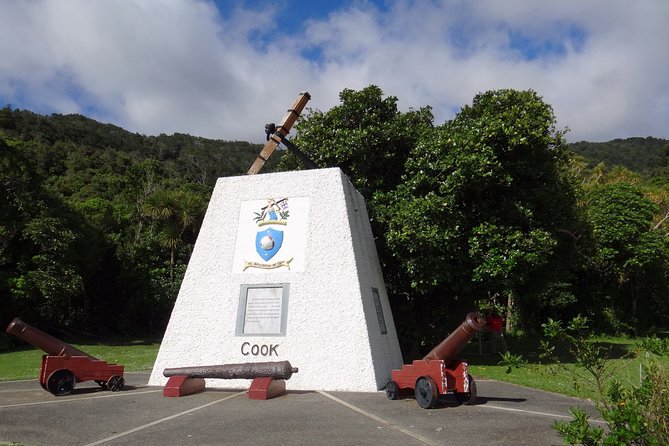
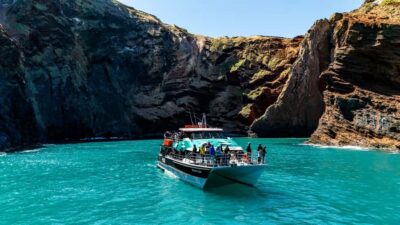
Ship Cove is a key stop on the route. The crew explains that Captain Cook spent 170 days here and why he regarded this part of the Pacific so highly. You also hear about the relationship between Cook and Māori people in Aotearoa, adding local context to what could otherwise be just a scenic stop.
Ship Cove itself is serene and attractive. You can expect a quiet natural setting rather than a large visitor complex. That distinction is important because some people arrive expecting a replica ship, museum displays, or a collection of artifacts.
You will not find that kind of full museum experience here based on the information provided. The history comes mainly through the guide’s commentary and the place itself. I find that useful if you prefer history tied to the actual setting, but less satisfying if you want exhibits and detailed displays.
The strongest part of Ship Cove is the combination of scenery and storytelling. You can look across the water while hearing why Cook used the area and how Māori history fits into the story. It is not a long standalone historical attraction, so think of it as one part of a wider nature cruise.
Motuara Island and the bird sanctuary stop
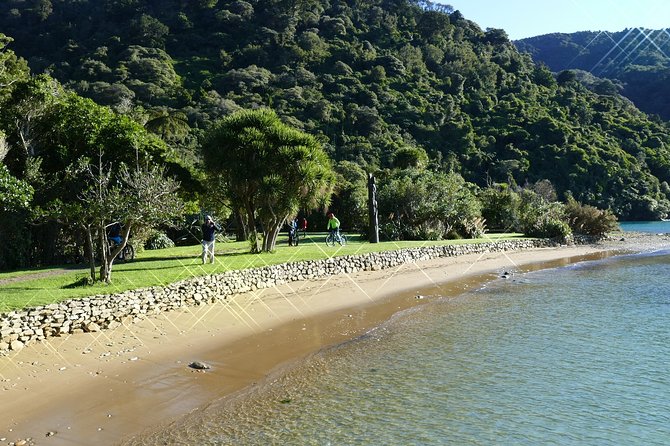
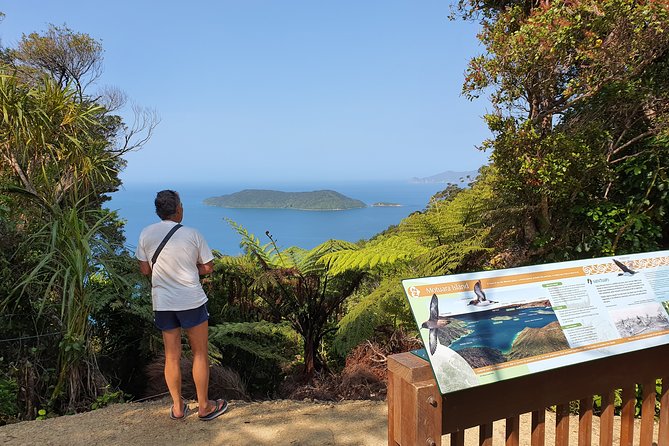
The route also reaches Motuara Island, a difficult-to-access nature reserve. The itinerary describes this as a wildlife stop, and the cruise may include time at the bird sanctuary. In one account, the group spent about 45 minutes away from the boat while visitors with mobility concerns waited for them to return.
That detail matters if you walk slowly or prefer to remain on board. The stop can add value for people who want more than wildlife viewed from the water, but it may be less comfortable if you cannot easily join the group or need a place to sit.
Bird sightings at the sanctuary can vary. One outing produced only two types of birds, so do not expect a packed aviary or a guaranteed list of rare species. The value is the chance to visit a protected island that is not reached by ordinary road tours.
The island stop can also affect how you judge the day. If you see dolphins and seals, it will feel like a bonus to an already worthwhile cruise. If marine wildlife is scarce, the quality of the bird stop and the amount of walking may matter much more.
Same water, a different way to meet them:
- Paihia/Russell: Hole in the Rock, Dolphins & Island Cruise
★ 4.6 · 821 reviews - Akaroa: Dolphin Nature Cruise
★ 4.9 · 440 reviews - Auckland: Tikapa Moana Whales, Dolphins and Islands Cruise
★ 3.9 · 292 reviews - Swimming with Wild Dolphins in Akaroa
★ 4.5 · 261 reviews
Guides who make the difference
The crew is a major part of this experience. Captains and guides named in the feedback include Paul, Alice, Will, Andy, Courtney, and Tristan. You may not have that exact combination on your departure, but the operation clearly relies on a two-person team, usually a captain and a commentator or guide.
The best guides combine animal spotting with clear explanation. They talk about local flora and fauna, Māori history, Captain Cook, and the conservation work connected with the tour. Families also have useful distractions between sightings, including things for children to draw and read.
The tone may not suit everyone. One person found the crew too serious and felt they seemed more focused on animals than on people. I would not treat that as a major flaw, but it gives you a fair sense of the style: this is an educational wildlife trip, not a loud party cruise.
At its best, the commentary makes distant wildlife feel more meaningful. You learn why a bird matters, what makes a dolphin species distinctive, and how conservation affects the islands and water around Picton.
Boat comfort, group size, and weather
The advertised maximum is 30 people. That is a manageable group for a guided wildlife cruise, but the seating arrangement can still feel tight. Some passengers have had to stand for much of the trip, with the cabin and rear area serving as the main places available while the boat is moving.
You should not assume a private viewing position. Other passengers may gather at the best sighting point, and everyone may need to shift when the captain turns the boat. If you want a quieter ride or need dependable seating, contact the operator before booking.
The Marlborough Sounds can also be cool and windy on the water. One outing took place on a chilly day, even though the scenery and wildlife made it worthwhile. Wear layers and prepare for wind. The included light refreshments are helpful, but this is not a full meal.
The boat returns to E-Ko Tours in Picton after the cruise. Transportation to and from other attractions is not included, so you need to reach the Wellington Street meeting point yourself. The location is near public transportation, which keeps the start simple if you are staying in Picton.
Is $104.26 a fair price?
At $104.26 per person, this is not the cheapest way to see the Marlborough Sounds, but the price includes more than a basic boat ride. You receive a professional guide, live commentary, national park fees, light refreshments, access to binoculars and species cards, and a route into places that are hard to reach by road.
The strongest value comes from the guiding and the wildlife focus. If you are content to see the sounds from a ferry, you may not need this tour. If you want someone actively looking for animals and explaining the birds, seals, dolphins, Māori connections, and conservation work, the added cost makes more sense.
The conservation connection also gives the fare extra purpose. Part of the trip cost supports the plants and animals seen on the cruise. That does not guarantee sightings, but it means the outing is connected to the protection of the place rather than being only a scenic transfer.
The rating is 4.7 out of 5, with 92 percent recommending it. Those numbers suggest strong overall satisfaction, but the practical reservations are clear: limited seating, a sometimes disappointing bird stop, and modest historical facilities at Ship Cove.
Who will enjoy this Picton cruise most?
I would choose this cruise if wildlife is high on your list and you want a guided introduction to the Marlborough Sounds. It suits birdwatchers, families, photographers, and anyone who values a close look at local ecology rather than a simple sightseeing loop.
Children can enjoy the trip, especially with the drawing and reading materials available between sightings. The four-hour length is long enough to reach the remote parts of the sound but short enough to fit into a day in Picton.
You should think twice if you need guaranteed seating, dislike wind, or want a large museum devoted to Captain Cook. You should also be comfortable with nature being unpredictable. Dolphins may appear in close view, or they may not appear at all.
People with mobility issues should ask about the island stop before departure. A wait of around 45 minutes while others return may be uncomfortable, particularly if there is limited seating on shore or at the boat.
Booking, timing, and cancellations
Confirmation is sent within 48 hours, subject to availability. The tour requires a minimum number of people and good weather, so a cancellation can occur if either condition is not met. In that case, you are offered another date or experience, or a full refund.
You can cancel for a full refund up to 24 hours before the start time. Cancellations and changes made within 24 hours are not accepted for a refund. The time limit follows local time in Picton.
Mobile tickets make the check-in process straightforward. Arrive 15 minutes early at E-Ko Tours, especially if you are fitting the cruise around a ship arrival or another activity.
Should you book the Captain Cook and Dolphin Cruise?
Book it if you want a wildlife-led trip into remote Marlborough Sounds and can accept that nature sets the schedule. The strongest reasons are the range of possible sightings, the informed commentary, the conservation link, and the chance to combine dolphins and seals with rare birds and local history.
Do not book it expecting an old sailing ship, a Captain Cook museum, or guaranteed dolphins. The boat is modern, seating may be limited, and Ship Cove is a scenic historical stop rather than a major attraction with artifacts.
For most people who have half a day in Picton, I think the price is reasonable because the tour combines transport, guiding, national park access, refreshments, and wildlife searching in one outing. Wear warm layers, arrive early, and keep your expectations focused on a real nature cruise. That is where this experience earns its value.
FAQ
Where does the Captain Cook and Dolphin Cruise depart?
It departs from E-Ko Tours at 1 Wellington Street, Picton 7220, New Zealand.
How long does the cruise take?
The experience lasts approximately four hours and returns to the original meeting point in Picton.
What wildlife might I see?
The crew looks for Hector’s, bottlenose, and dusky dolphins, New Zealand fur seals, rare king shags, and other seabirds. Sightings are not guaranteed.
Is Captain Cook’s ship included as a replica attraction?
No. The cruise uses a modern motorized touring boat. At Ship Cove, the guide explains Captain Cook’s time in the area, but the stop is not described as a museum with ship replicas or artifacts.
What is included in the price?
The price includes a professional guide, live commentary, national park fees, and light refreshments. Binoculars and species identification cards are available to use during the cruise.
Is the cruise suitable for children?
Most people can participate, and children have been accommodated with drawing and reading materials between wildlife sightings. The advertised maximum is 30 people.
What happens if the weather is poor?
The experience requires good weather. If the operator cancels because of poor weather or because the minimum number of people is not reached, you are offered another date or experience, or a full refund.
Just added around New Zealand
- Half Day Dolphin & Wildlife Cruise – Tauranga★ 4.5 · 103 reviews
- Dolphin & Wildlife Encounters★ 5.0 · 6 reviews
- Bird Watching and Dolphin Eco-Tour to Blumine Island★ 5.0 · 55 reviews
- The Original Full day Bay of Islands Cruise with Dolphins★ 5.0 · 13 reviews
- Kaikoura Swim with Dolphins Tour from Christchurch★ 4.5 · 27 reviews
- Kaikoura Whale and Dolphin Overnight Tour from Christchurch★ 4.0 · 9 reviews
- Akaroa with optional dolphin cruise (Small Group Tour)★ 5.0 · 3 reviews
- Akaroa Swim with Dolphins Tour from Christchurch★ 4.0 · 35 reviews
New Zealand Dolphin Tours, compared.
Auckland Dolphin and Whale Watching Eco-Safari Cruise
Read our review →
Auckland: Whale and Dolphin Watching Half-Day Eco Cruise
Read our review →
Paihia/Russell: Hole in the Rock, Dolphins & Island Cruise
Read our review →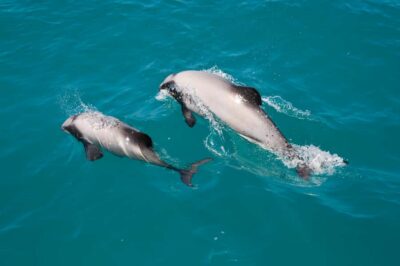
Auckland: Tikapa Moana Whales, Dolphins and Islands Cruise
Read our review →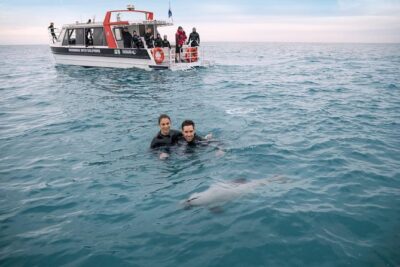
Browse the lists this tour appears in