
REVIEW · USA
Dana Point: Whale and Dolphin Watching Tour
Dana Point’s best wildlife show is out on the water, where dolphins may race beside the boat and whales can appear with little warning. The two-hour cruise focuses on the animals themselves, with a marine naturalist captain explaining what you see and why it matters.
I like the marine mammal guarantee, which takes some of the gamble out of wildlife watching. I also like the chance to see large pods of dolphins close to the boat, along with sea lions, pelicans, and several whale species. The main drawback is simple: a whale sighting is never promised on a particular departure, and the boat can feel cold or rough for anyone prone to seasickness.
Key points
- Two hours on Dana Point’s productive coast: You get enough time to search for wildlife without giving up a full day.
- Dolphins can provide the most reliable action: Large groups may swim alongside the boat for miles.
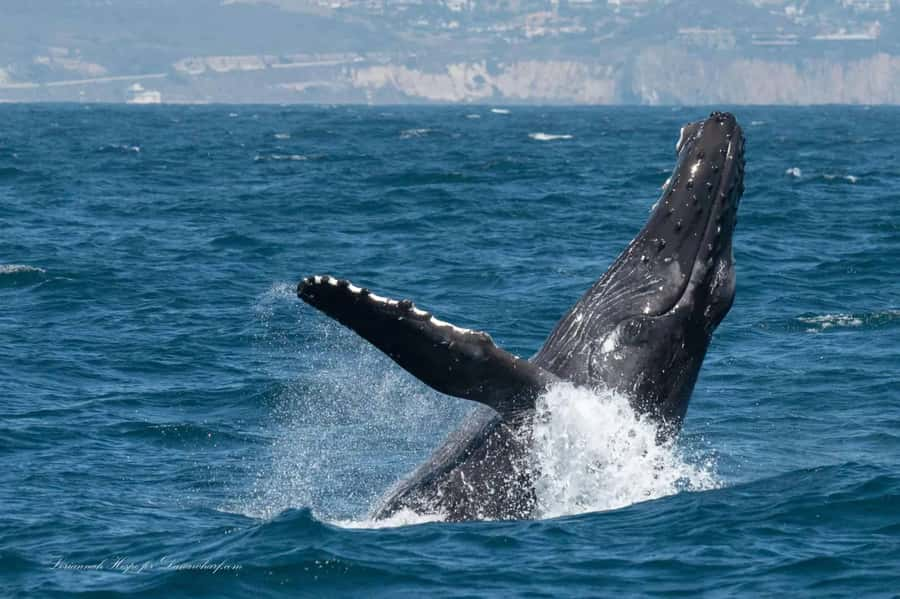
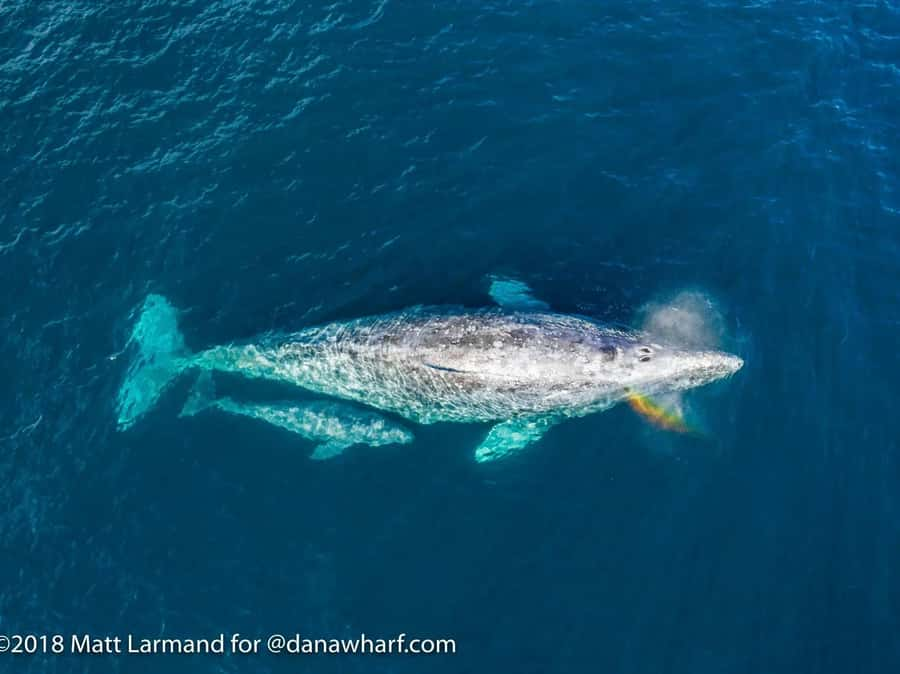
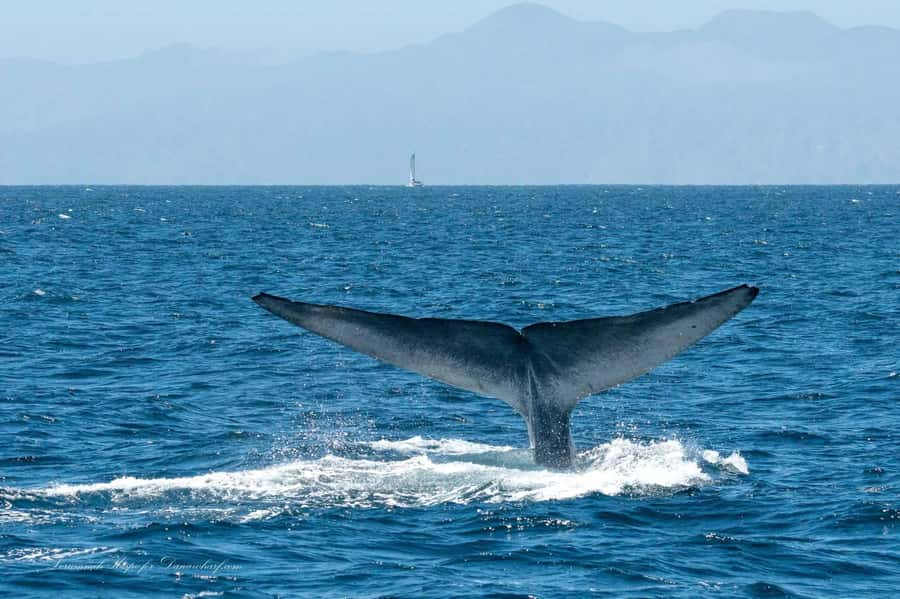
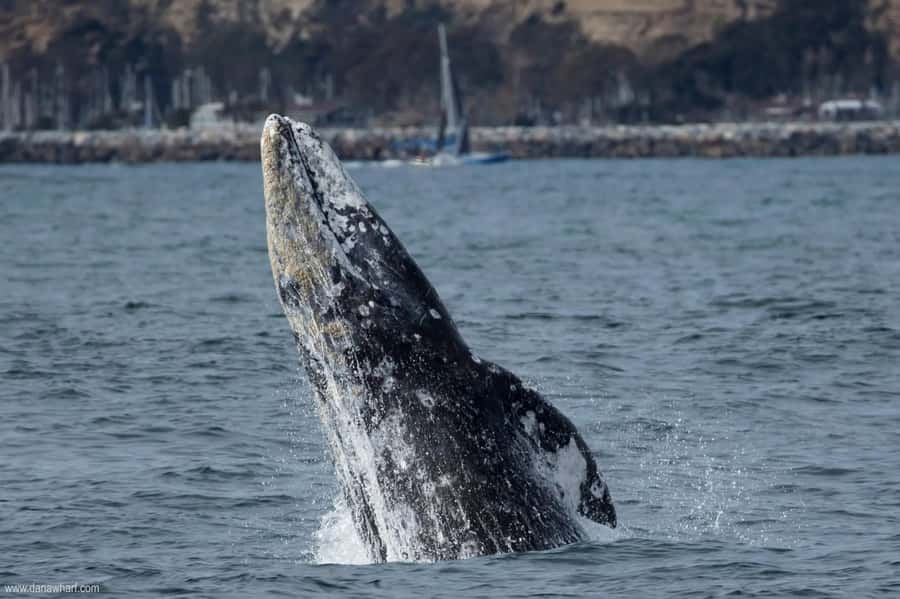
- Several whale species are possible: Gray, blue, fin, minke, and humpback whales are all on the lookout list.
- A marine naturalist captain narrates the trip: You receive context about whales, dolphins, birds, and other ocean life.
- The sighting guarantee has real value: No whale or dolphin means a voucher for a free trip.
- Prepare for open-water conditions: Arrive 30 minutes early, wear layers, and bring sun protection.
What the two-hour Dana Point cruise is really like
This is a wildlife search, not a scripted boat ride. After checking in, you head out from Dana Point and spend the next two hours scanning the water for movement, blows, fins, and splashes.
The captain guides the boat toward signs of life and narrates along the way. That narration matters because much of the action can be easy to miss. A distant whale may show only a brief back or spout, while a dolphin pod can appear suddenly and vanish just as fast.
You should think of the trip as a moving lookout point. The scenery is pleasant, but the purpose is to watch the water. Keep your eyes moving, listen for instructions from the crew, and stay ready with your camera. Wildlife does not wait for everyone to get settled.
The tour is conducted in English and described as a private group experience. The supplied details do not identify the captain by name, so you should not expect to book a particular guide. What you do get is a marine naturalist captain whose role is to help you understand the animals and find them.
More Whale and Dolphin Watching Tours in the USA
- Maui Eco-Raft Tour: Eye-Level Whale or Dolphin Watching – Lahaina
★ 5.0 · 2,482 reviews - Monterey: Monterey Bay Dolphin and Whale Watching Boat Tour
★ 4.7 · 1,645 reviews - Luxury Snorkel Cruise, Local Buffet with Whale & Dolphin Watch
★ 4.5 · 1,334 reviews
Leaving Dana Point and finding the first wildlife
The opening part of the trip gives you time to get used to the boat and the view. Dana Point is a useful departure point for watching marine life because the trip quickly becomes about open water rather than harbor scenery.
Your first sightings may be smaller or closer to the surface. Dolphins are often the most energetic possibility, and they can be more entertaining than a distant whale. They may travel beside the boat, surface in groups, and leap or play near the wake.
That contrast is important. Many people book because they want a whale, yet dolphins can provide the most continuous action. One recent outing included hundreds of dolphins, while another found a large group that stayed with the boat for many miles. If you see a pod behaving this way, you may spend much of the cruise watching them instead of searching empty water.
The captain’s commentary also helps you avoid treating every dark shape as a whale. You can learn to distinguish a dolphin fin from a sea lion head, or a bird sitting on the water from a marine mammal surfacing nearby. The information makes the waiting periods more useful.
Whale watching from gray whales to humpbacks
The whale list is broad: gray whales, blue whales, fin whales, minke whales, and humpback whales are all possible. Sharks, including mako, hammerhead, and great white sharks, are also mentioned as animals you might see.
That variety is exciting, but it calls for realistic expectations. A two-hour trip cannot promise a close view of every species. Marine mammals move freely, and conditions change from one departure to the next. The most honest way to approach this cruise is to hope for a whale while appreciating every other sighting.
Gray whales are a particularly appealing possibility because they can be seen during seasonal movement along the coast. One January outing produced two gray whales that surfaced several times, allowing the captain to stay with them as they moved. A repeated sighting like that is much more satisfying than a single distant glimpse.
Humpbacks can also create a memorable trip. A fall outing included a humpback along with several dolphins, while other departures found dolphins but no whales. This difference shows why the tour is best for people who enjoy the search itself, not just the final result.
Blue and fin whales are among the largest animals on Earth, but size does not guarantee a dramatic sighting. They can be distant, submerged, or visible only briefly. A whale may be present without offering the close approach you hoped for.
One outing located a whale far away, too distant for a satisfying view. That is a fair warning for photographers. Bring your camera, but do not assume every sighting will produce a sharp, close-up image.
Dolphins, sea lions, pelicans, and sharks
Dolphins may be the strongest reason to book if you want lively action. They can swim near the boat and remain in view longer than a whale that surfaces once. Seeing a large pod move together gives you a sense of how social these animals are.
You might see several types of dolphins, and the captain can explain what you are looking at. The exact species are not guaranteed, but the narration helps turn a fast-moving encounter into something you can follow.
Sea lions add another layer to the trip. They are less elusive than whales in some situations, and their heads may appear above the water while they rest or move through the area. Pelicans and other sea birds give you something to watch between mammal sightings.
Sharks are also possible, including mako, hammerhead, and great white sharks. The tour does not promise a shark sighting, so treat this as an extra possibility rather than a core part of the experience. Still, knowing that the crew is watching for them adds interest to the open-water search.
The mix of animals is one of the tour’s best qualities. Even if no whale appears, you may still have a full wildlife outing with dolphins, birds, and sea lions. That does not erase the disappointment of missing the main target, but it can make the two hours feel worthwhile.
Same water, a different way to meet them:
- Little Toot Dolphin Adventure at Clearwater Beach
★ 5.0 · 5,594 reviews - Shell Island Snorkel and Dolphin Catamaran Cruise with Island Time
★ 5.0 · 4,362 reviews - Dolphin and Manatee Stand Up Paddleboard Tour in Daytona Beach
★ 5.0 · 2,328 reviews - Jekyll Island Dolphin Tours
★ 5.0 · 2,242 reviews
Why the marine naturalist captain matters
A good wildlife boat captain does more than steer toward a fin. The captain must help you understand what you are seeing, keep the boat with moving animals when appropriate, and make the quiet stretches less frustrating.
The narration is especially useful for first-time whale watchers. You may learn what signs to watch for, how dolphins behave near boats, and why a whale can be difficult to approach. The details provided for this tour do not list a set commentary script, so the exact style may vary by captain.
The most useful practical feature is the captain’s ability to stay with animals when conditions allow. When gray whales were moving through the area, the boat remained with them as they surfaced multiple times. That kind of patience gives you a better chance to see natural behavior rather than a quick glimpse.
Still, you should not expect the captain to force an encounter. The animals decide the distance, direction, and timing. Feeding them is not allowed, and that is exactly as it should be. Wildlife watching is more rewarding when the animals remain wild and the boat keeps a respectful distance.
The marine mammal guarantee and what it means
The guarantee covers marine mammal sightings, with a free-trip voucher if you see neither a whale nor a dolphin. This is not a promise that you will see a whale, and it is not a promise of a close encounter.
That difference is worth understanding before you book. Several outings produced many dolphins but no whale, while another produced whales and dolphins together. The guarantee recognizes that a whale watching trip involves nature and uncertainty, while still giving you another chance if the water stays empty.
For a first visit to Dana Point, the policy makes the $65 price easier to accept. You are paying for a two-hour search led by a marine naturalist, not buying a guaranteed whale performance. If the trip misses both main target groups, the voucher protects some of your value.
You should check the terms of the voucher with the operator if you expect to return later. The information provided confirms the voucher but does not state its expiration date, transfer rules, or other conditions.
Is $65 a fair price for two hours?
At $65 per person, this tour is reasonably priced for a two-hour wildlife cruise, especially because narration and the marine mammal guarantee are included. You are not paying extra for the guide’s commentary or for the possibility of a second trip if no whale or dolphin appears.
The value depends on what you want. If your main goal is a whale photograph, you may find the price less satisfying when the whale is distant or absent. If you enjoy marine life in general, the combination of dolphins, sea lions, pelicans, birds, and possible sharks gives the trip a better chance of feeling worthwhile.
The price also works well for a short coastal activity. You do not need to commit a full day, and you can fit the cruise into a wider Dana Point visit. Food and drinks are not included, so plan to eat before or after the trip rather than expecting refreshments on board.
A small price tip appears in the booking information: a Tuesday departure was offered at half price at one point in late 2025. This may not still apply, so check current availability before planning around it.
Timing, clothing, and comfort on the water
Plan to check in 30 minutes before departure. That buffer matters because arriving late can turn a relaxed outing into a rushed start.
Wear layers. Even if the weather feels warm on land, the water can be cold, and wind can make the boat feel much cooler. Sunglasses, a hat, sunscreen, comfortable clothes, and a camera are all sensible choices.
The boat can move through open water, so seasickness is a real concern. The tour is not suitable for people prone to seasickness, people with back problems, or pregnant women. If you know that motion affects you, this is not the place to test your limits.
Do not smoke or feed the animals. Feeding wildlife can change natural behavior and is not part of responsible watching.
You should also keep your camera ready without spending the entire cruise looking through it. A phone or camera is useful, but your eyes will often catch the first splash before the lens does.
Who will enjoy this Dana Point tour most
I would recommend this cruise to anyone who wants a short, focused introduction to Dana Point’s marine life. It suits couples, families, and small groups who are happy to watch, wait, and react to whatever appears.
It is particularly good for dolphin lovers. A large pod swimming near the boat can be the high point of the trip, even when no whale appears. People who enjoy learning as they go will also appreciate the naturalist narration.
The tour is less suited to anyone who needs a guaranteed whale sighting, a calm ride, or a close photo opportunity. A whale may be far away, and some departures may produce dolphins but no whales at all.
The private-group description may appeal to people who want a more personal outing, but no exact group size is provided. I would confirm the boat setup if the number of passengers is important to you.
How this compares with a whale-only mindset
It helps to adjust your goal before boarding. Think of this as a marine wildlife cruise, with whales as one of the major possibilities, not the only reason to keep watching.
That mindset matches the strongest possible outcome. You might see two gray whales several times, a humpback, or a large dolphin pod that stays nearby for miles. You might also see only dolphins and birds. All of those are genuine encounters, but they do not offer the same emotional payoff.
If you need a whale for the trip to feel successful, use the guarantee as a safety net and leave room in your schedule for another departure. If you want a lively two-hour outing with a chance of something remarkable, the tour makes more sense.
Should you book the Dana Point whale and dolphin tour?
Book it if you want a fairly priced, two-hour search for marine life with an expert captain, a chance to see large dolphin groups, and a voucher if no whale or dolphin appears. The strongest reason to go is the range of possible sightings and the chance to watch animals behave naturally near the boat.
Go with realistic expectations. You may see whales, but you may also see dolphins without a whale, or a whale too far away for a great photograph. Wear layers, arrive early, and choose this tour because you enjoy the ocean wildlife experience as a whole.
FAQ
How long is the Dana Point whale and dolphin tour?
The cruise lasts two hours.
How much does the tour cost?
The listed price is $65 per person.
Is a whale sighting guaranteed?
No. A whale sighting is not guaranteed. If you see neither a whale nor a dolphin, you receive a voucher for a free trip.
What whale species might I see?
Possible species include gray whales, blue whales, fin whales, minke whales, and humpback whales.
Can I see dolphins on the cruise?
Yes. Dolphins are among the main animals you may see, and they may swim near the boat.
What other animals might appear?
You might see sea lions, pelicans, other sea birds, and sharks such as mako, hammerhead, and great white sharks.
Is the tour narrated?
Yes. An English-speaking marine naturalist captain provides narration during the cruise.
What should I bring?
Bring sunglasses, a hat, a camera, sunscreen, and comfortable clothes. Dress in layers because it can be cold on the water.
How early should I arrive?
You should check in 30 minutes before departure.
Is the tour suitable for people prone to seasickness?
No. The tour is not suitable for people prone to seasickness, people with back problems, or pregnant women.
Just added around the USA
- West O’ahu: Dolphin Watching and Snorkeling Catamaran Cruise★ 4.5 · 31 reviews
- West Oahu: Dolphin Watch & Snorkel Sail★ 5.0 · 5 reviews
- West O’ahu: Swim with Dolphins Catamaran Cruise★ 4.9 · 70 reviews
- Waianae, Oahu: Swim with Dolphins (Semi-Private Boat Tour)★ 4.6 · 8 reviews
- Virginia Beach: Dolphin Kayak Tour: This is a Workout!★ 5.0 · 6 reviews
- Wrightsville Beach Sunset Cruise★ 4.5 · 36 reviews
- Wildlife Boat Tour with Wild Ponies and Dolphins in Chincoteague★ 5.0 · 32 reviews
- Chincoteague Dolphin Watching Boat Tour★ 5.0 · 2 reviews
USA Dolphin Tours, compared.
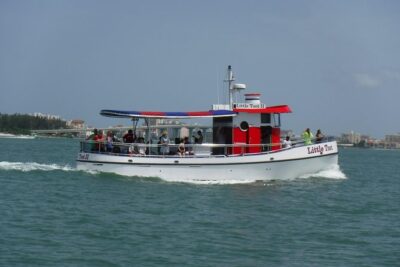
Little Toot Dolphin Adventure at Clearwater Beach
Read our review →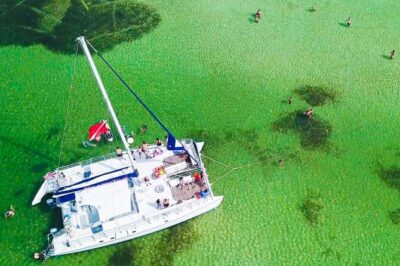
Shell Island Snorkel and Dolphin Catamaran Cruise with Island Time
Read our review →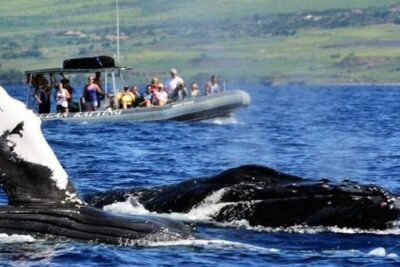
Maui Eco-Raft Tour: Eye-Level Whale or Dolphin Watching – Lahaina
Read our review →
Dolphin and Manatee Stand Up Paddleboard Tour in Daytona Beach
Read our review →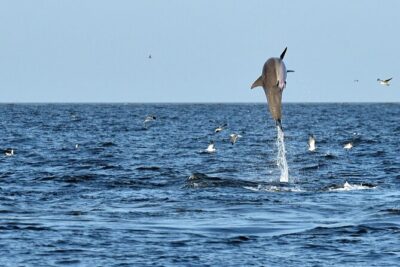

Dolphin and Manatee Adventure Tour of Fort Myers
Read our review →
Sunset & Dolphin Catamaran Cruise with Island Time
Read our review →Browse the lists this tour appears in