
REVIEW · FLORIDA
Florida Keys: Dockside Dolphin Experience
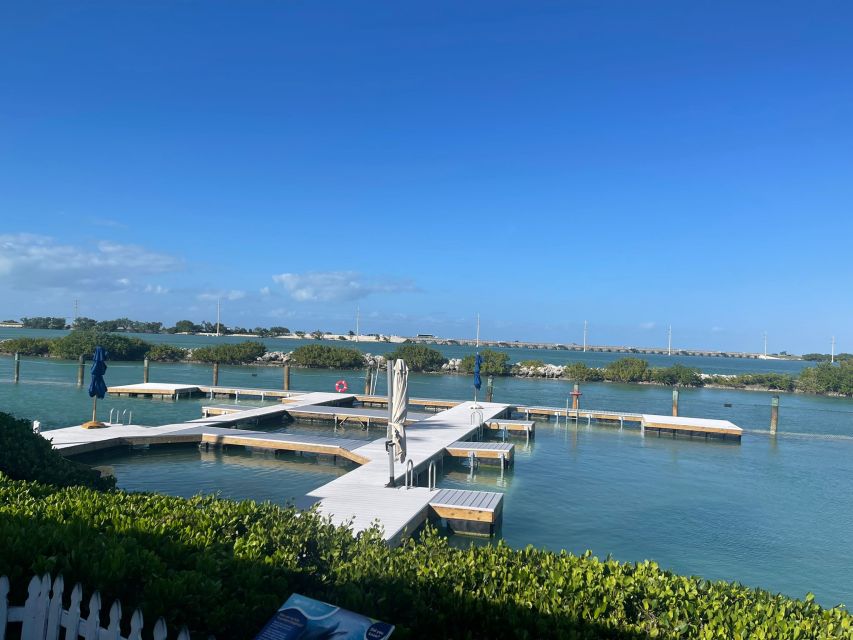
A bottlenose dolphin comes right up to the dock for feeding, play, and gentle interaction, making this a good choice for families who want a close encounter without getting in the water. I like the dry training dock, which keeps the activity simple for young children, and the included photographer, so you can pay attention instead of guarding your camera. The main drawback is the short session, and the advertised 25-minute duration does not neatly match the listed 10-minute class plus 20-minute interaction, so confirm the exact schedule when you book.
I also like the conservation talk and the clear instruction on hand placement before you approach the animal. This is a small, focused encounter rather than a full Keys boat trip, so it suits you best if close contact matters more than open-water sightseeing.
Key points at a glance
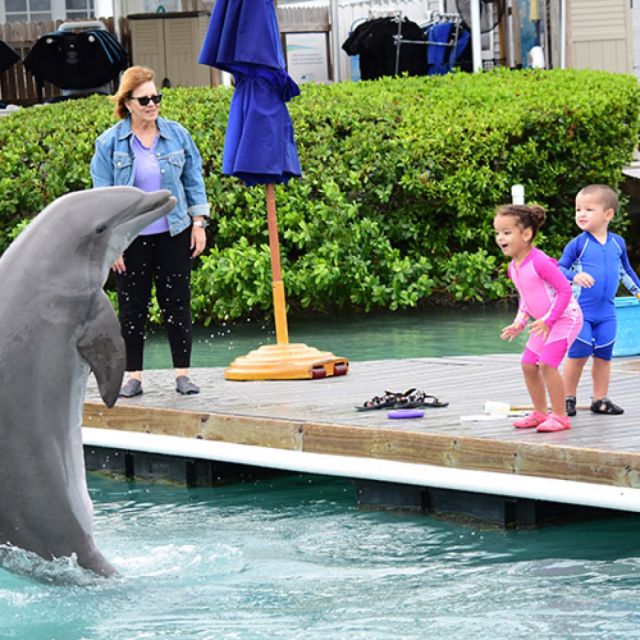
- Meet a bottlenose dolphin from a dry dock: You interact, feed, and play without entering the water.
- A short class comes first: Learn about dolphin behavior, anatomy, welfare, and habitat protection.
- The photographer handles the pictures: Personal cameras are not allowed on the dock or in the water, but photos are included.
- Good for young children: Children five and under may take part with an adult, and everyone pays to participate.
- Plan for a quick visit: The experience is advertised as 25 minutes, with morning and afternoon times usually available.
- Check the group wording before paying: The activity is described as a small group, limited to one participant, which may mean a very small booking format.
Meeting a dolphin without entering the water
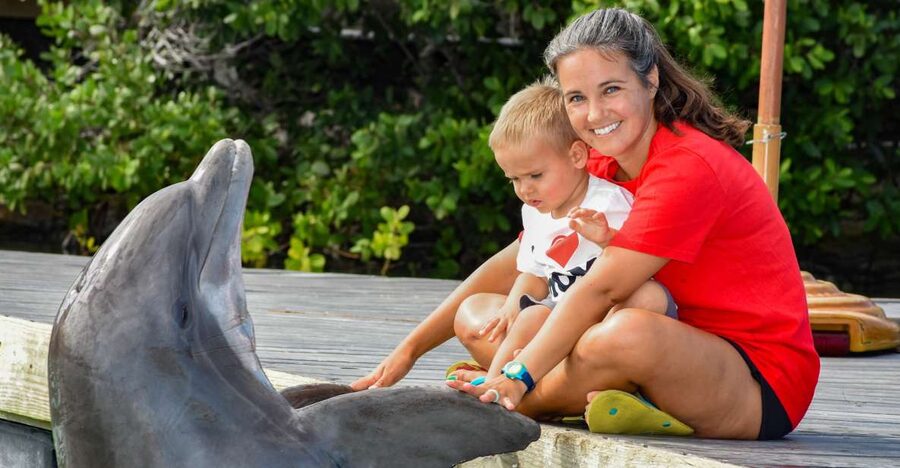
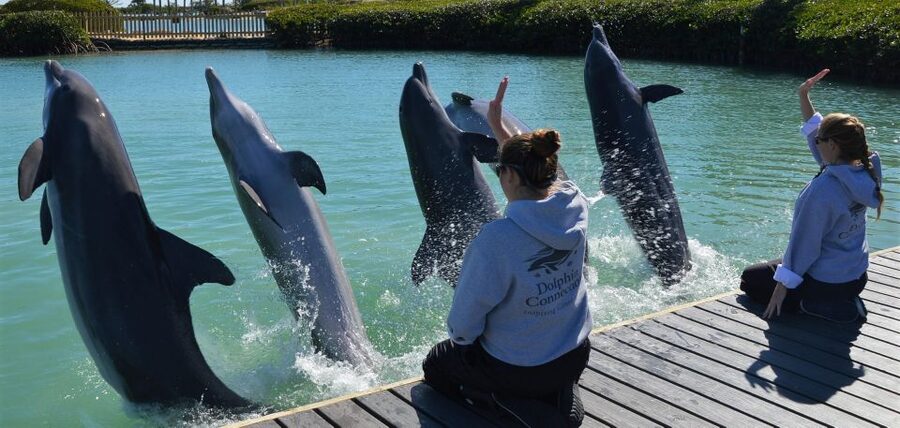
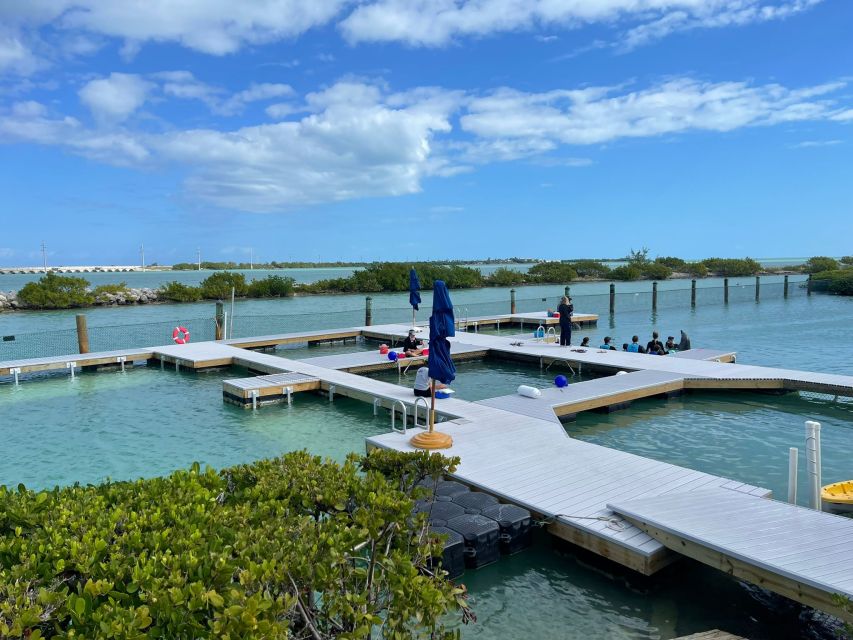
The heart of this experience is simple: you walk onto a dry training dock, meet a dolphin at close range, and take part in feeding and play. You do not swim with the animal, and you do not need to be comfortable in open water. That makes this a sensible first dolphin encounter for a child who is curious but not ready for a full water program.
The dock also changes the feel of the activity. You can focus on the dolphin’s movements, the trainer’s instructions, and the interaction itself instead of managing snorkel gear or staying afloat. You should still expect to get splashed. Bring a towel, and do not treat dry dock as the same thing as staying completely dry.
The animal interaction is with a real bottlenose dolphin, not a viewing tank from a distance. You are shown how to place your hands for different behaviors, then take part in feeding and play. The exact play sequence can be adjusted somewhat for the person or group, which is useful if you are booking for a family with different ages and comfort levels.
A few more dolphin trips around the USA worth a look
- Little Toot Dolphin Adventure at Clearwater Beach
★ 5.0 · 5,594 reviews - Shell Island Snorkel and Dolphin Catamaran Cruise with Island Time
★ 5.0 · 4,362 reviews - Maui Eco-Raft Tour: Eye-Level Whale or Dolphin Watching – Lahaina
★ 5.0 · 2,482 reviews
The short class gives the encounter some purpose
Before you approach the dolphin, an English-speaking instructor gives a brief educational session. You learn about dolphin behavior and anatomy, along with the welfare questions that come with caring for marine mammals. The class also covers ways to protect dolphins and their natural habitats.
That introduction matters. Without it, a dolphin encounter can become little more than a quick photo opportunity. Here, the hand-placement demonstration gives you a practical job to do, while the conservation material reminds you that these animals belong in a wider ocean system, not just at a training dock.
The class is short, so do not expect a full marine biology lecture. It is best understood as preparation for the encounter. You get enough information to recognize the behavior you are being asked to take part in and to handle the interaction more carefully.
One especially useful detail is the anatomy information. Seeing a dolphin close up can make its shape and movements seem familiar, but the class gives you a better idea of what you are looking at. For children, that can turn a quick animal meeting into a small lesson they remember after the visit.
Feeding and play on the dry training dock
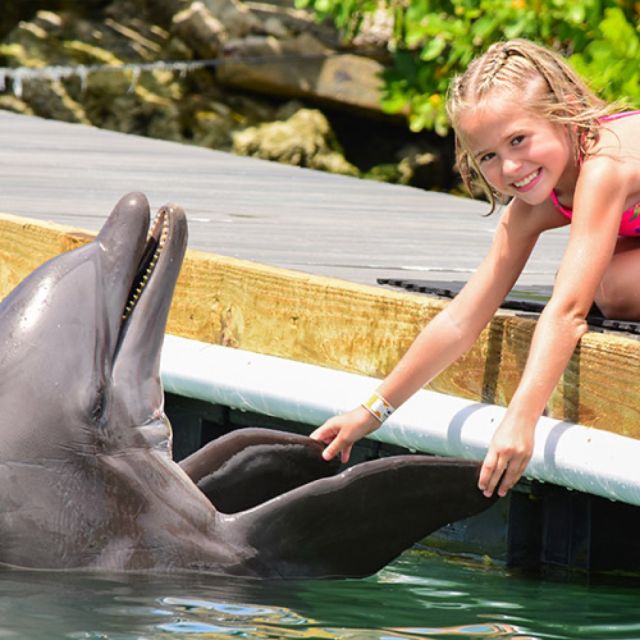
After the introduction, you move into the practical part of the session. You feed and play with the dolphin from the dock, following the instructor’s directions. The experience is designed around interaction rather than simply watching the animal perform from a seat.
You should expect the trainer to guide the pace. This is not a free-for-all, and the hand-position demonstration exists for a reason. Follow each instruction closely, especially when the dolphin is responding to a signal or moving into position.
The playtime can be adjusted to suit the person or group to some degree. That does not mean you can design an entirely custom program, but it does give the encounter a little flexibility. A family with a young child may need a gentler, simpler interaction, while adults may want to spend more time on the feeding or behavior elements.
The activity lasts only a short time, so the clock matters. The supplied details describe a 25-minute total duration, while the inclusions list a 10-minute educational class and a 20-minute dolphin interaction. Those parts add up to 30 minutes. This may be a rounding or scheduling issue, but I would confirm the timing before you build a tight Florida Keys itinerary around it.
The included photographer is a real advantage
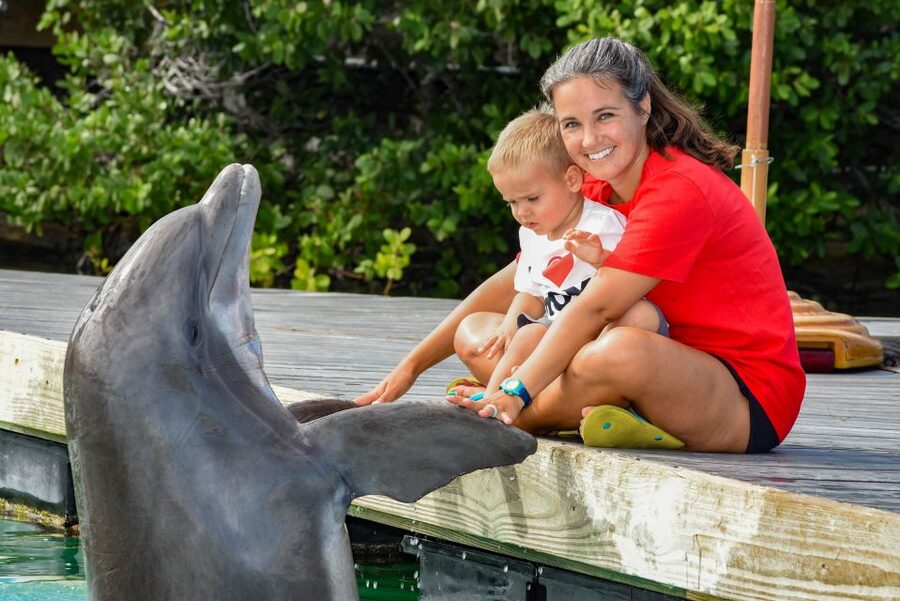
Personal cameras are not permitted on the docks or in the water for liability reasons. You can use cameras at beach and overlook areas, but not during the main encounter. That rule may disappoint anyone hoping to make a phone video, yet it has one clear benefit: you are not trying to hold a device while feeding or playing with a dolphin.
A photographer captures the program for you, and the photos are included in the price. One participant received the images by email the next day through a link, so you should not assume the pictures are handed over on site. Keep an eye on your email after the activity.
This is one of the strongest practical features of the experience. Dolphin programs often tempt people to split their attention between the animal and a camera. Here, you can put both hands where the instructor tells you, watch the dolphin, and let someone else handle the record of the moment.
The photo service is not a guarantee that every picture will be perfect. Lighting, movement, splashing, and the short session all affect the results. Still, having a photographer present removes a common source of stress, especially for families who want a picture of the child interacting with the dolphin.
Same water, a different way to meet them:
- Dolphin and Manatee Stand Up Paddleboard Tour in Daytona Beach
★ 5.0 · 2,328 reviews - Jekyll Island Dolphin Tours
★ 5.0 · 2,242 reviews - Clearwater Encounters with Dolphins Tour
★ 5.0 · 2,185 reviews - Dolphin and Manatee Adventure Tour of Fort Myers
★ 5.0 · 2,167 reviews
Who will get the most from the $107 price
At $107 per person, this is not a casual stop for a quick look at marine life. The value comes from the combination of close contact, instruction, play, and included photos. You are paying for a personal interaction with a bottlenose dolphin, not for a long boat trip or a day of activities.
I think the price makes the most sense for families and couples who specifically want a dolphin encounter and do not want to enter the water. The included photographer adds useful value, since you do not need to pay extra for a photo package according to the supplied details.
The value is less convincing if you mainly want to see wild dolphins in their natural setting. This is a managed dockside program with trained animals. For open-water wildlife watching, a dolphin-watching or snorkeling trip in the Keys would give you a different kind of experience, often with more time on the water but less certainty of close contact.
It is also a short activity. If you measure value by minutes alone, $107 for a 25-minute booking may feel steep. If you measure it by the chance to interact directly with a dolphin, receive instruction, and get photos without entering the water, the price is easier to justify.
The program has a 4.7 rating from 45 recorded ratings, which fits the main strengths here: attentive animal care, a close encounter, and useful pictures. The positive response is not a reason to ignore the short duration or the managed setting, but it does point to a consistently well-received format.
A good fit for families, with a few firm rules

Young children are one of the clearest audiences for this activity. A child can see and touch a dolphin from the dock without handling a swim session, and the educational talk provides a gentle structure before the animal interaction begins.
Children five and under must be accompanied by an adult. Infants and children pay to participate, so include every person in your price calculation. Unaccompanied minors are not allowed.
You should also know that the activity is not suitable for pregnant women. The supplied information does not give a detailed medical explanation, so take that restriction seriously rather than trying to judge it for yourself.
The program is wheelchair accessible, which is helpful for families planning a mixed-mobility outing. English is the stated language of instruction. If someone in your party needs another language, you should confirm available support before booking.
The group information needs a little caution. The program is described as a small group and also as limited to one participant. That wording is unusual, and it may refer to one participant per booking slot rather than one person on the entire activity. Confirm the format if group size will affect your decision.
What to bring, and what to leave behind
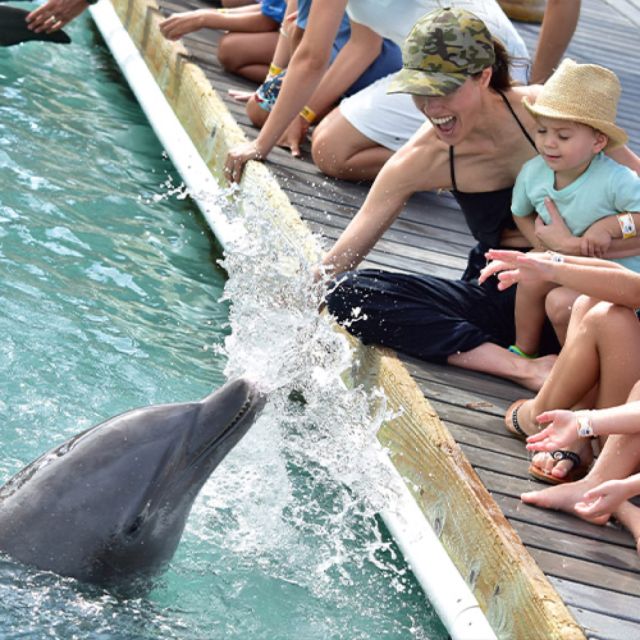
Bring a towel. Even though you remain out of the water, the activity can include splashing, and a towel is a sensible bit of preparation.
Biodegradable sunscreen is also requested. Apply it before the program, while keeping it away from the dolphin and following the staff’s instructions about when you may use it.
Bring cash as well. Food and beverages are not included, and the supplied information specifically lists cash among the items to bring. No meal, drink, or snack is part of the dolphin session.
Leave your camera at the dock. Personal cameras are not allowed on the docks or in the water, though they are permitted at the beach and overlook areas. The on-site photographer is there to record the main encounter.
Arrive 15 minutes before your program time for check-in. Since the activity itself is short, arriving late could take a noticeable bite out of your time. The program is usually offered in the morning and afternoon, so you may be able to fit it around other Florida Keys plans, but give yourself room for check-in.
How this compares with a wild dolphin trip
This dockside program and a dolphin-watching boat trip offer different rewards. Here, you get close contact, clear instruction, feeding, and play. You do not enter the water, and you do not need to hope that a wild animal comes near the boat.
The tradeoff is that the setting is managed and the encounter is brief. A wild dolphin excursion may offer more time outside and a stronger sense of the Keys as a marine environment, but sightings and close approaches cannot be guaranteed. Snorkeling trips add water activity and reef time, while this program keeps the focus on one animal interaction.
I would choose the dockside experience for a family with young children, anyone uneasy in open water, or anyone who wants photos without taking a camera onto the dock. I would choose a boat-based option if your main goal is wildlife in the open sea, snorkeling, sunset scenery, or a longer outing.
Neither choice is automatically better. They answer different questions: do you want a close, guided meeting with one dolphin, or do you want to spend more time exploring the Florida Keys at sea?
The care and conservation message

The activity places animal welfare and habitat protection inside the program rather than treating them as an afterthought. You receive information about dolphin welfare and ways to protect natural habitats before the interaction begins.
That does not answer every question a careful buyer may have about dolphin programs. If animal care standards are central to your decision, ask the provider for more details about training methods, daily care, and welfare policies before booking. The supplied program information confirms that these topics are part of the lesson, but it does not provide a full care policy.
During the encounter, your best contribution is to follow the instructor’s directions. Correct hand placement, controlled movements, and attention to the trainer help keep the session orderly for both you and the animal.
Should you book the Florida Keys Dockside Dolphin Experience?
Book it if you want a short, structured dolphin encounter with no swimming, especially if you are traveling with young children. The dry dock, conservation briefing, adjustable playtime, and included photographer make it easy to take part without juggling equipment or camera duty.
Think twice if you want a long outing, wild dolphin watching, snorkeling, or an experience with plenty of time on the water. At $107 per person, the value depends on how much you want the close interaction itself.
Before paying, confirm the actual session length and the meaning of the one-participant group limit. If those details work for your schedule, this is a focused and family-friendly way to meet a bottlenose dolphin in the Florida Keys.
FAQ
How long does the Dockside Dolphin Experience last?
The activity is advertised as 25 minutes. The inclusions also list a 10-minute educational class and a 20-minute dolphin interaction, so confirm the exact timing before booking.
Do I enter the water during the program?
No. Participants remain out of the water and interact with the dolphin from dry training docks.
What animals will I meet?
You will interact with a bottlenose dolphin.
Is the activity suitable for young children?
Yes. It is designed for families with young children who are not ready to enter the water. Children five and under must be accompanied by an adult, and all infants and children pay to participate.
Are personal cameras allowed?
No. Personal cameras are not permitted on the docks or in the water. Cameras are allowed at the beach and overlook areas.
Are photos included?
Yes. A photographer captures the experience, and photos are included in the price. They may be sent by email after the activity.
What should I bring?
Bring a towel, biodegradable sunscreen, and cash. Food and beverages are not included.
Is the activity wheelchair accessible?
Yes. The activity is listed as wheelchair accessible.
What language is used?
The instructor conducts the program in English.
Can I cancel for a refund?
You can cancel up to 24 hours in advance for a full refund. You can also reserve now and pay later, which keeps your plans flexible.
Is the program suitable for pregnant women?
No. Pregnant women are listed as not suitable for this activity.
Just added around the USA
- West O’ahu: Dolphin Watching and Snorkeling Catamaran Cruise★ 4.5 · 31 reviews
- West Oahu: Dolphin Watch & Snorkel Sail★ 5.0 · 5 reviews
- West O’ahu: Swim with Dolphins Catamaran Cruise★ 4.9 · 70 reviews
- Waianae, Oahu: Swim with Dolphins (Semi-Private Boat Tour)★ 4.6 · 8 reviews
- Virginia Beach: Dolphin Kayak Tour: This is a Workout!★ 5.0 · 6 reviews
- Wrightsville Beach Sunset Cruise★ 4.5 · 36 reviews
- Wildlife Boat Tour with Wild Ponies and Dolphins in Chincoteague★ 5.0 · 32 reviews
- Guided Kayak Tour to see ponies, birds, dolphins and more★ 5.0 · 78 reviews
Florida Dolphin Tours, compared.
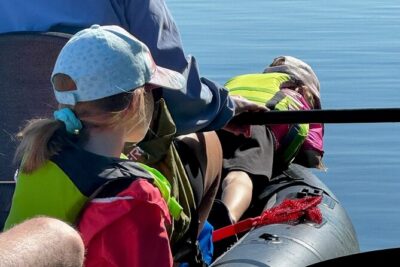
4-Hour Mangrove Island and Dolphin Watch Sandbar in Fort Pierce
Read our review →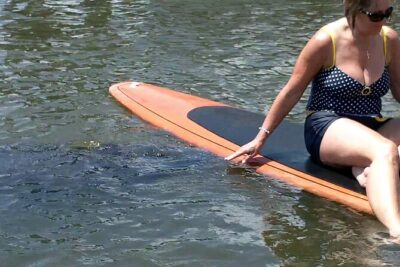
Dolphin and Manatee Adventure tour of Osprey with Florida History
Read our review →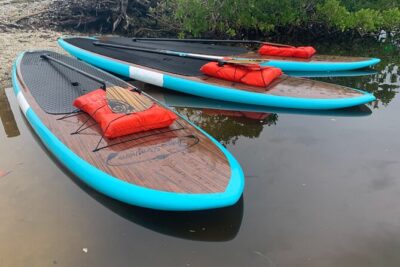
Dolphin and Manatee Adventure Tour of Sarasota with Olde Florida History!
Read our review →
Fort Pierce: 4-hr Mangroves & Dolphin Watch Sandbar in FL
Read our review →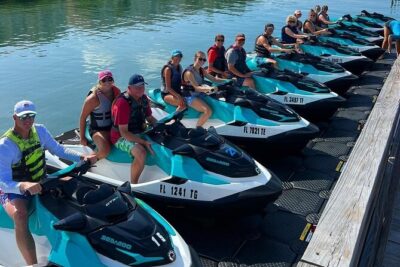
Browse the lists this tour appears in