
REVIEW · SRI LANKA
Pasikuda to Trincomalee: Whale & Dolphin Safari + Transport
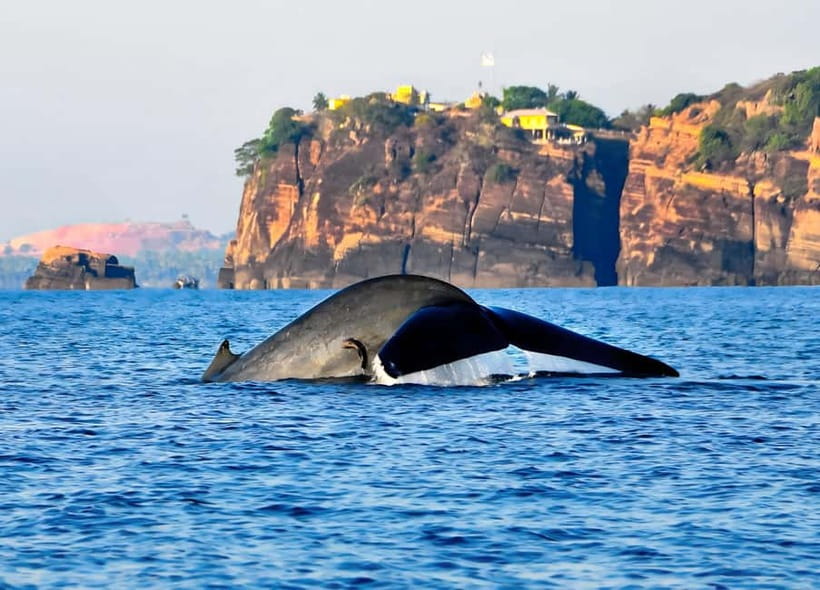
The big draw here is the chance to see fin whales and dolphins in the open Indian Ocean, not in an aquarium or enclosed bay. You leave Pasikuda early, ride the east coast to Trincomalee, then spend about three hours at sea with an expert marine guide looking for blue whales, sperm whales, spinner dolphins, bottlenose dolphins, and other wildlife.
I like two things right away: the hotel-to-hotel transport removes a long day of driving from your hands, and the small-group, eco-minded boat approach gives the animals room. The coastal ride also adds something useful, since you see more of eastern Sri Lanka than you would on a stand-alone boat trip.
The catch is simple: whales are wild animals, not scheduled performers. Sightings are common in these waters but never guaranteed, and rough weather can change the plan. If you are prone to seasickness or have serious back problems, this is not the best choice.
Key points to know before you book
- Fin whales have been the highlight: Several recent outings reported unforgettable sightings of these large whales surfacing offshore.
- Dolphins may swim beside the boat: Pods of playful dolphins, including spinner and bottlenose dolphins, are among the main targets.
- The full trip takes seven hours: That includes road transport from Pasikuda or Kalkudah and roughly three hours on the water.
- Trincomalee is the launch point: The coastal road journey makes this more than a basic whale-watching transfer.
- The boat trip follows wildlife guidelines: The crew aims to avoid crowding and keep a respectful distance from marine life.
- Bring sun protection and water: Hat, sunscreen, sunglasses, camera, towel, swimwear, and drinking water are all useful.
Why this east coast safari is worth your morning
Sri Lanka has several places for whale watching, but Trincomalee is especially useful if you are staying around Pasikuda or Kalkudah. Rather than arranging a separate taxi, finding the marina, and sorting out a boat on your own, you get one connected day: pickup, road transfer, marine safari, and return.
I like this setup for a practical reason. The road transfer can be tiring if you arrange it yourself, especially with an early start. Here, an air-conditioned vehicle collects you from your hotel, and the driver handles the route while you watch the east coast pass by.
The experience also gives you a real chance to see animals in their own setting. A whale may surface once and vanish for several minutes. Dolphins may appear beside the boat, then move away just as quickly. That uncertainty is part of the appeal, but it also explains why nobody can promise a sighting.
More Whale and Dolphin Watching Tours in Sri Lanka:
- Whales and Dolphins Watching-Luxury Super Grade Cruiser(Hotel Pick up offered)
★ 5.0 · 1,268 reviews - Trincomalee: Whale & Dolphin Safari Tour with Expert Guides
★ 4.2 · 53 reviews - Trincomalee: Dolphin & Whale Watching Boat Tour
★ 4.2 · 37 reviews
The early pickup from Pasikuda or Kalkudah
You should be ready in your hotel lobby at least 10 minutes before the scheduled pickup. The driver meets you at reception and uses a vehicle marked with the company name or logo. If your hotel sits on a narrow road, you may need to meet the vehicle at a nearby accessible point.
The drive from Pasikuda to Trincomalee is part of the day, not just a boring transfer. You travel along Sri Lanka’s east coast, with changing views of the shoreline and inland countryside. The exact pickup time depends on availability, so check the start time when booking.
The air-conditioned vehicle matters here. You will spend several hours on a boat later, exposed to sun and wind, so a cool road transfer gives you a more comfortable start. It also means you do not need to worry about driving back after a long morning at sea.
Tea, coffee, and cookies are provided before the safari. That is a small but welcome touch, since the day begins early. Meals and other drinks are not included, so carry water and plan for food outside the stated refreshments.
Arriving in Trincomalee and boarding the boat
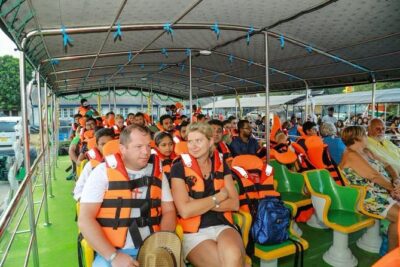
At Trincomalee, you board a purpose-built safari boat and receive an explanation of the trip. The guide’s job is not simply to point at the horizon. The crew helps you scan the water, identify the animals, and understand how to watch them without adding pressure.
The boat portion lasts about three hours. That is enough time to search a wide area, but it is still a serious outing on the ocean rather than a quick harbor ride. You should wear comfortable clothing and footwear that can handle a boat trip.
Bring a hat, sunglasses, sunscreen, camera, towel, swimwear, and water. Swimwear may be useful if conditions or the boat setup make splashing likely, but the main purpose of the trip is wildlife watching, not swimming. The supplied information does not promise a swimming stop.
The boat is described as small-group and eco-friendly. That usually means a more personal feel than a large, crowded excursion, although the exact group size is not provided. You should still expect some movement, wind, glare, and periods of waiting as the crew searches.
Looking for fin whales, blue whales, and sperm whales
The main prize is a whale surfacing in the open sea. Blue whales, fin whales, and sperm whales are among the species you may see. Recent outings had especially strong moments with fin whales, including several animals surfacing in the Indian Ocean.
Fin whales are fast-moving and powerful, so a sighting may be brief. A whale can rise, breathe, and disappear before you have framed your photo. Keep your camera ready, but do not spend the entire trip staring through a screen. You will get more from the experience if you first watch the water with your own eyes.
Blue whales are also listed among the possible sightings. They are enormous, but size alone does not make them easy to find. The guide’s experience helps the group search in the right places, yet nature still sets the timetable.
Sperm whales are another possibility. The information does not promise a particular species on a particular morning, so treat every sighting as a bonus rather than a guarantee. This is a wildlife search, not a fixed attraction with a set show time.
More Safaris in Sri Lanka:
- Los Cristianos Respectful No-Chase Whale and Dolphin Safari
★ 4.6 · 12,782 reviews - Auckland Dolphin and Whale Watching Eco-Safari Cruise
★ 4.5 · 1,790 reviews - Lisbon: Dolphin Watching with a Marine Biologist – Ocean Safari
★ 5.0 · 812 reviews - Wild Dolphin Watching and Snorkel Safari Off West Coast of Oahu
★ 5.0 · 795 reviews
Dolphins, sea turtles, and flying fish
Dolphins can make the trip feel more active than whale watching alone. Spinner dolphins and bottlenose dolphins may leap, race alongside the boat, or travel in pods. Several recent outings had dolphins swimming close to the boat, which can create the best photo opportunities of the day.
Dolphins are also less predictable than photographs suggest. They may surface on one side while everyone looks at the other. Listen to the guide and watch the water around the boat, not just the spot where an animal appeared a moment ago.
You might also see a sea turtle or flying fish. These are occasional sightings, not guaranteed parts of the itinerary. Flying fish can be especially easy to miss, since they skim low over the water for only a short time.
The range of possible wildlife is one reason the three-hour boat period is useful. The trip is not built around one quick pass through a known animal area. You have time to search, wait, and respond when something appears.
A responsible approach to wildlife
The tour places emphasis on eco-friendly viewing. The crew aims to protect the animals and avoid overcrowding, while still giving you a close look at marine life. That balance matters. A great photograph is not worth chasing a whale or cutting across a dolphin pod.
The exact operating rules are not spelled out, so you should listen carefully to the guide’s instructions on the morning. Keep voices under control when animals are nearby, avoid trying to attract them, and follow directions about where to stand or sit on the boat.
This approach also makes the experience feel more authentic. You are not promised a performance. You are being taken into a natural setting where the best moment may be a whale’s back breaking the surface or a dolphin appearing beside the bow.
The guide may speak English, German, French, or Dutch, depending on the arrangement. An English-speaking marine guide is specifically included, and live tour guide language options are listed for all four languages. Confirm your preferred language when booking.
What the return journey feels like
After the boat safari, you return to shore and ride back to Pasikuda or Kalkudah in the air-conditioned vehicle. The return drive gives you a chance to rest after the sun and wind of the morning.
This is where the transport adds real value. You do not need to find a taxi in Trincomalee, negotiate a return fare, or manage the road after time on the water. Your driver brings you back to your accommodation, making the day easier to fit into a wider Sri Lankan itinerary.
The full experience lasts about seven hours. That is a large part of your day, so do not schedule another demanding excursion immediately afterward. You may be tired from the early start, road travel, heat, and boat movement even if the sea is calm.
Is $118 good value?
At $118 per person, this is not the cheapest way to spend a morning near Pasikuda. The price makes more sense when you count what is included: round-trip hotel transport, an air-conditioned vehicle, the boat safari, a marine guide, and tea, coffee, and cookies before departure.
A self-arranged version might cost less if you already have transport and can reach Trincomalee easily. But you would then need to coordinate the road journey, boat departure, return transport, and timing yourself. For many people, the convenience is the main value.
The price is also easier to justify if you care about responsible wildlife watching and want a small-group setting rather than a crowded boat. It is less appealing if you only want a guaranteed whale sighting, a swimming trip, or a short boat ride.
I would treat the cost as payment for a full day of logistics and a genuine wildlife chance, not as a ticket to see a particular species. If whales and dolphins appear, the value rises quickly. If conditions are poor, the transport and organized planning still remain useful, but the emotional payoff may be smaller.
Who should book this trip?
I would recommend this safari to nature lovers staying in Pasikuda or Kalkudah who want to add a marine experience without changing hotels. It suits photographers, families with older children, and anyone who prefers having transport arranged from start to finish.
It is also a good fit if you enjoy uncertain wildlife encounters. You need patience, a willingness to scan the sea, and a sensible attitude toward missed sightings. The best moments may arrive suddenly, so you should be ready to put the camera down and watch.
I would not choose it if you have severe back problems or are prone to seasickness. The tour takes place partly on the open sea, and the information specifically lists both concerns. Pregnant people are also advised not to take part.
Bad weather can lead to a rescheduled or adjusted trip. That is a safety measure, not a flaw, but it means you should avoid booking it on the final few hours of a tightly timed itinerary.
Simple tips for a better safari
- Keep your camera accessible: Wildlife can appear with little warning.
- Use sunscreen early: Sun exposure is strong on the water, even when the air feels pleasant.
- Bring your own water: Drinks beyond the listed tea and coffee are not included.
- Wear light, comfortable clothing: Wind, spray, and sun can change how the boat feels.
- Arrive early in the lobby: Be ready 10 minutes before pickup so the whole schedule stays on track.
- Expect nature, not a performance: A quiet morning is still a normal part of whale watching.
- Listen for movement around the boat: Dolphins may surface behind or beside you, not only in front.
- Leave room in your schedule: The seven-hour duration does not include extra time for a late return caused by weather or road conditions.
Should you book the Pasikuda to Trincomalee safari?
Book it if you want a well-organized east coast day built around wild marine life, especially if fin whales and dolphins are high on your Sri Lanka wish list. The combination of hotel transport, a three-hour boat safari, multilingual guide options, and responsible viewing makes the day easy to arrange.
Skip it if you need a guaranteed sighting, dislike boats, or are vulnerable to seasickness. For everyone else, $118 is a reasonable price for a full coastal outing that combines scenery, wildlife, and practical transport. Just bring sun protection, water, patience, and realistic expectations.
FAQ
How long does the full experience take?
The tour lasts about seven hours, including hotel pickup, the journey between Pasikuda and Trincomalee, the boat safari, and the return to Pasikuda or Kalkudah.
How long are you on the boat?
The whale and dolphin watching portion lasts about three hours.
Where does pickup take place?
Pickup is available from hotels in Pasikuda or Kalkudah. You should wait in the hotel lobby at least 10 minutes before the scheduled time.
Which animals might I see?
Possible sightings include blue whales, fin whales, sperm whales, spinner dolphins, bottlenose dolphins, sea turtles, and flying fish.
Are whale and dolphin sightings guaranteed?
No. Sightings are common in the area, but the animals are wild and cannot be guaranteed.
What languages are available for the guide?
Guide language options are English, German, French, and Dutch. An English-speaking marine guide is included.
What should I bring?
Bring a hat, sunscreen, sunglasses, water, a camera, comfortable clothing, suitable footwear, a towel, and swimwear.
Can the trip change because of weather?
Yes. The tour may be rescheduled or adjusted in bad weather for safety.
Just added around Sri Lanka
- Trincomalee : Whale & dolphin watching +pigeon island tour★ 4.5 · 3 reviews
- Whale & Dolphin Watching Trincomalee★ 4.5 · 4 reviews
- Whale & Dolphin Watching Tour in Trincomalee | Scenic Boat Ride★ 4.0 · 8 reviews
- All Inclusive Mirissa Whale and Dolphin Watching Boat Ride★ 4.5 · 5 reviews
- Great Whales Education Programe Dolphins and Whales are in SL★ 5.0 · 7 reviews
- Whale & Dolphin Watching Day Tour including Handunugoda Teafactory★ 4.5 · 4 reviews
- Whales & Dolphin Watching Day Tour including Handunugoda Teafactory★ 5.0 · 2 reviews
- Whales and Dolphins Watching Mirissa★ 5.0 · 4 reviews
Sri Lanka Dolphin Tours, compared.
Whales and Dolphins Watching-Luxury Super Grade Cruiser(Hotel Pick up offered)
Read our review →
Trincomalee: Whale & Dolphin Safari Tour with Expert Guides
Read our review →
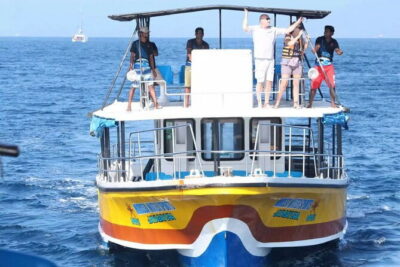
All Inclusive Mirissa Whale and Dolphin Watching Boat Ride
Read our review →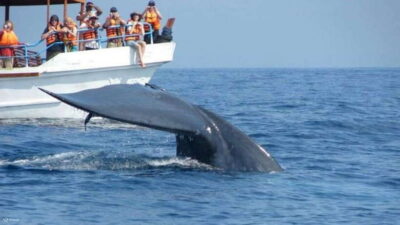
Mirissa: Whale & dolphin Watching Boat Tour with Breakfast
Read our review →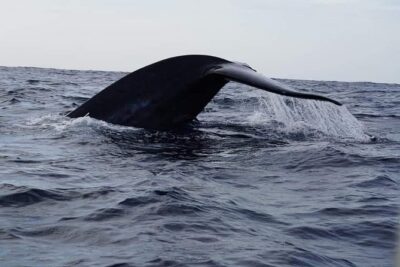
Whale & Dolphin Watching Tour in Trincomalee | Scenic Boat Ride
Read our review →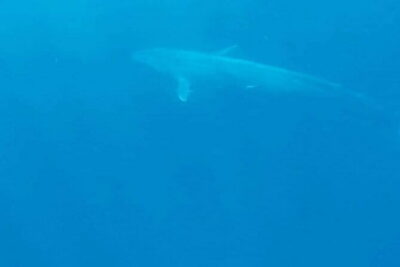
Great Whales Education Programe Dolphins and Whales are in SL
Read our review →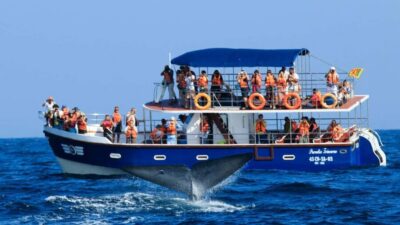
Mirissa: Whale & Dolphin Watching Trip with Private Transfer
Read our review →Browse the lists this tour appears in