
REVIEW · MANDURAH
Mandurah Dolphin Cruise and Views
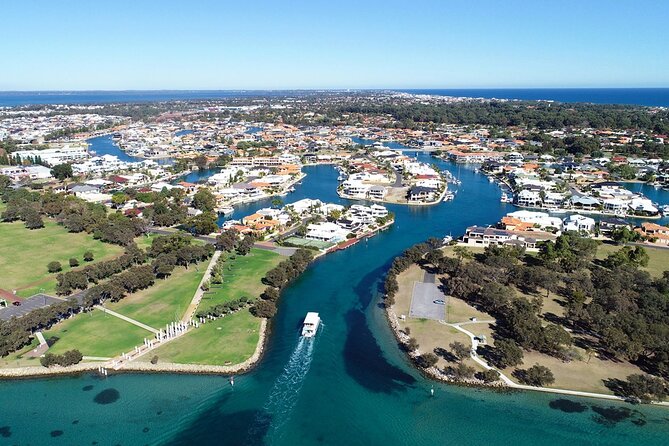
Mandurah’s best wildlife is not out in the open ocean. It lives in the calm inland waterways, where wild dolphins feed, rest, and sometimes surf beside the boat. This 75-minute cruise combines dolphin watching with wetlands, birdlife, marinas, and a close look at Mandurah’s famous canal homes.
I like two things in particular: the route gives you more than a single wildlife sighting, and the live commentary ties the scenery together with facts about birds, dolphins, local culture, and Mandurah’s past. The small maximum group of 20 also gives you room to move around for photos.
The main caution is simple: the dolphins are wild. Some departures produce several dolphins within minutes, while others offer only brief sightings, or none at all. You can return free if no dolphins appear, but you should book this as a calm nature cruise, not a guaranteed dolphin performance.
Key points before you book
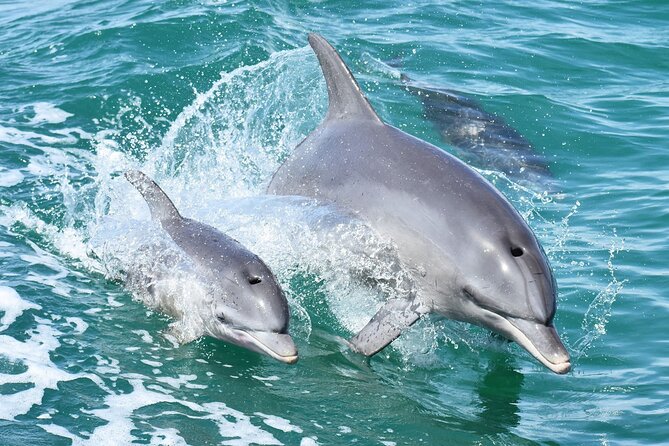
- Wild dolphins in the Mandurah Estuary: Look for Indo-Pacific bottlenose dolphins feeding and swimming in protected inland waters.
- A varied 75-minute route: The cruise covers Mandjar Bay, Dolphin Quay, the Ocean Marina, canals, wetlands, and the Peel-Harvey Estuary.
- Small group size: The boat carries a maximum of 20 people, which helps with movement and viewing.
- Live wildlife commentary: The guide discusses dolphins, bird habitats, Mandurah’s history, and the surrounding waterways.
- Dolphin guarantee: If you see no dolphins, you can take the cruise again for free.
- Good value at $31.56: The price includes the cruise, skipper or driver-guide, commentary, and a scenic tour of several parts of Mandurah.
What this Mandurah dolphin cruise is really like
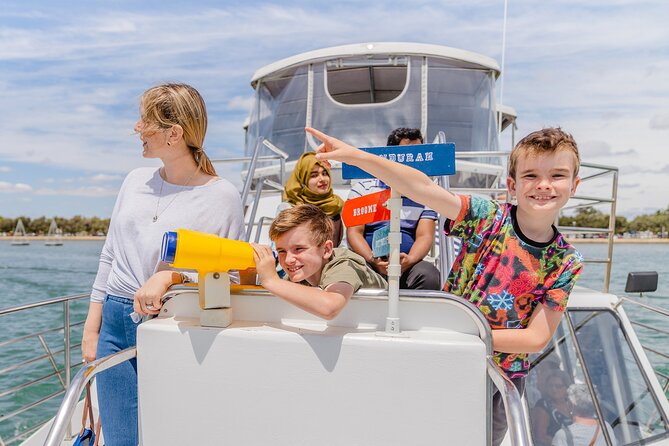
This is a relaxed sightseeing cruise through Mandurah’s inland waters, not a fast ride into the Indian Ocean. You board at Mandurah Cruises, 73 Mandurah Terrace, near the Mandurah Performing Arts Centre and Mandjar Bay, then settle in for a route through sheltered waterways.
The boat passes through the Peel Inlet and Mandurah Estuary, areas used by wild dolphins as feeding and resting grounds. The water is generally calmer inside the estuary than at the ocean mouth, so the ride suits families, older visitors, and anyone who prefers a steady boat trip.
I would set your expectations around variety. Dolphins are the main reason to book, but the scenery keeps changing even when the animals are not close. You will see bird habitat, waterfront houses, marinas, canals, bridges, and broad estuary views.
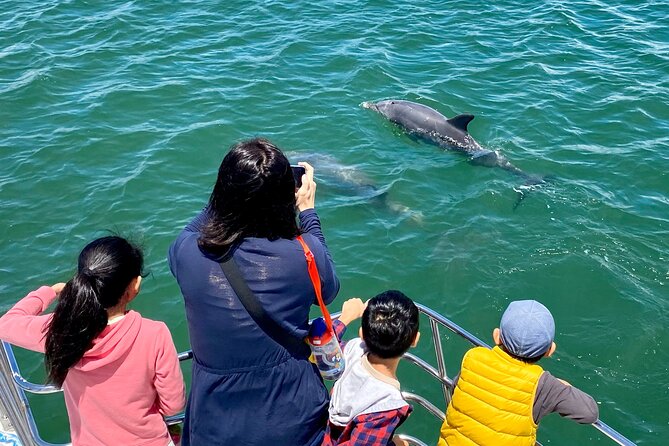
The boat is described as spacious and carries no more than 20 people. That matters. Dolphin watching is much easier when you can shift from one side of the vessel to the other instead of being packed into a large crowd.
A few more dolphin trips around Australia worth a look
- Moreton Island: Dolphin & Tangalooma Wrecks Snorkel Cruise
★ 4.5 · 1,039 reviews - Port Stephens: Dolphin Discovery Cruise
★ 4.4 · 926 reviews - Mandurah: Dolphin and Views Cruise
★ 4.6 · 920 reviews
Watching dolphins in their natural home
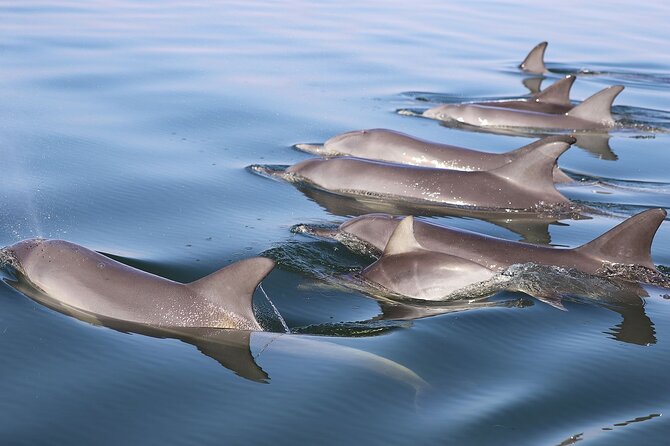
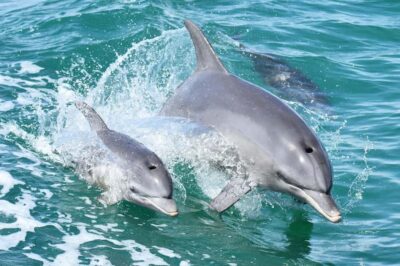
Mandurah is home to more than 90 dolphins in its inland waters, according to the cruise operator. These are wild Indo-Pacific bottlenose dolphins, not trained animals brought out for scheduled appearances.
That distinction shapes the whole experience. Some departures spot dolphins within five minutes of leaving the dock. On others, the first sighting comes in the final ten minutes. You may see a dolphin swimming alongside the boat, riding the wake, surfacing near the vessel, or leaping clear of the water.
You may also see only a few animals. One of the more useful realities to understand is that a dolphin guarantee does not mean a certain number of dolphins, a close approach, or a long viewing session. It means you can take the cruise again for free if no dolphin is seen.
That return option gives the $31.56 fare extra value, especially if seeing dolphins is the main reason you are visiting Mandurah. If your first trip produces a weak sighting, contact the operator about using the free return rather than assuming the opportunity has passed.
Please do not bring food to attract the dolphins. The operator’s response to that concern makes clear that the animals are not fed or lured. The whole point is to watch them behaving naturally, even when nature refuses to put on a show.
From Mandjar Bay to the Ocean Marina
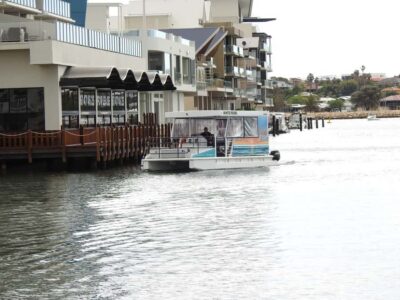
The cruise begins around Mandjar Bay, the central waterway of Mandurah. This is a pleasant introduction to the town, with the Mandurah Performing Arts Centre and Mandurah Bridge providing recognizable points along the shore.
The route continues toward Dolphin Quay and Mandurah Ocean Marina. Dolphin Quay takes its name from the animals that frequent these waters, and the marina is home to both commercial and recreational boats.
This section gives you a change of pace from wildlife watching. Instead of looking only for movement on the water, you can study boats, waterfront activity, and the shape of the marina. It is also a useful part of the tour for anyone interested in how Mandurah’s working waterways fit alongside its tourist areas.
You should expect a scenic cruise rather than a guided walk or stop-and-explore visit. The listed sights are viewed from the boat, so bring your camera and keep your attention moving between the shoreline and the water.
The Venetian Canals and waterfront homes
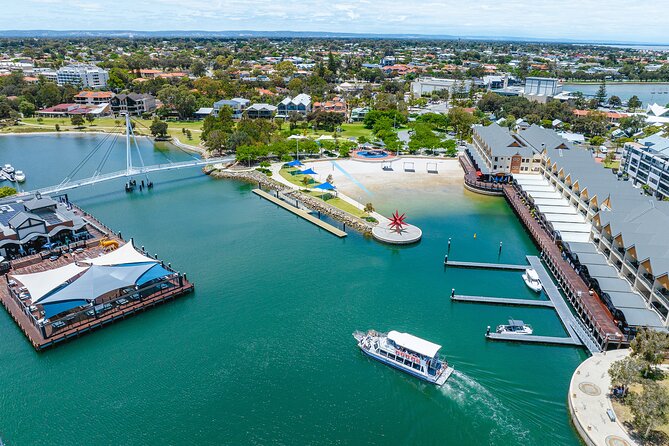
One of the most talked-about parts of the route is the cruise through Mandurah’s canals and Port Mandurah waterways. Large homes line the canals, many with private access to the water.
The houses are undeniably part of the visual appeal, but they are not the entire point of the route. The canals show how closely daily life in Mandurah is tied to the estuary. Boats, waterways, homes, marinas, and wildlife all share the same system.
The commentary is useful here because the guide does more than identify expensive houses. The tour also covers Mandurah’s past, local culture, Aboriginal history, and the way the waterways shaped the region.
Still, if your main goal is untouched nature, this section may feel less rewarding than the wetlands. The canal views are attractive, but they are developed scenery. I would see them as one part of a mixed route rather than the heart of the wildlife experience.
Same water, a different way to meet them:
- Swim with Wild Dolphins Day Tour
★ 4.5 · 669 reviews - Sydney: Jervis Bay Day Trip with Dolphins, Roos & Beach Time
★ 4.5 · 643 reviews - Adelaide: Dolphin Sanctuary Eco Kayaking Tour
★ 4.5 · 560 reviews - Snubfin Dolphin Eco Cruise from Broome
★ 5.0 · 533 reviews
Creery Wetlands and the birdlife
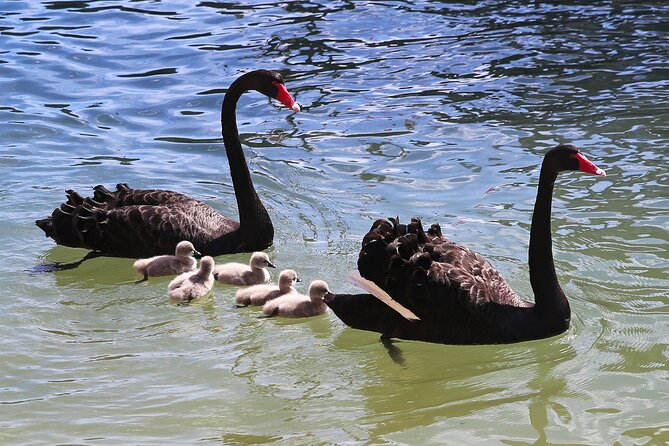
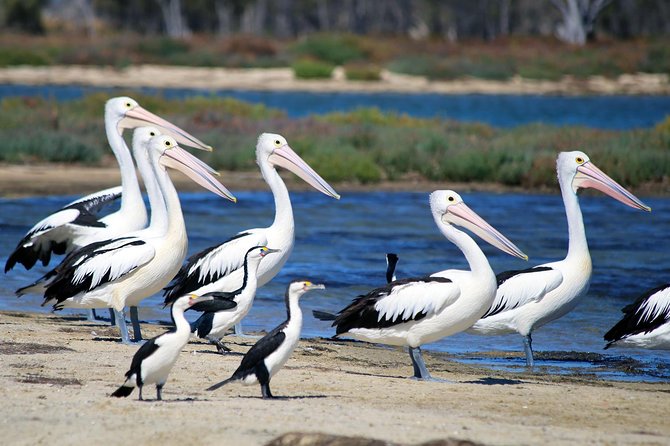
The cruise reaches the Creery Wetlands Nature Reserve, a Ramsar-listed wetland known for its birdlife. The area supports around 130 bird species, so you should keep an eye on the shallows, mudflats, and vegetation while the guide points out habitats and local species.
This is where the tour earns its name as more than a dolphin hunt. If dolphins stay out of sight, the wetlands give the guide another subject to explain and you another reason to keep watching.
Bird sightings depend on conditions and timing, just as dolphin sightings do. You may see a range of waterbirds, but the supplied details do not promise specific species. Bring patience and listen closely to the commentary, since birds can be harder to spot than dolphins and may sit farther from the boat.
Some people may find the bird commentary more extensive than expected. That is a strength if you enjoy natural history, but a possible mismatch if you want nearly nonstop dolphin watching. The cruise works best when you treat the wetlands as a central part of the trip.
The Peel-Harvey Estuary and the ocean mouth
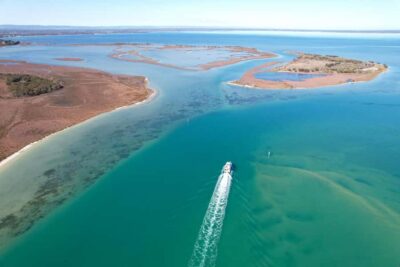
The Peel-Harvey Estuarine System covers about 136 square kilometres and is one of Western Australia’s largest inland waterways. Once the boat leaves the Port Mandurah canals, the view opens into this much broader body of water.
The wide estuary helps explain why Mandurah supports such varied wildlife. The sheltered inland waters offer feeding and resting areas, while the waterways also connect with the coast.
Near the end of the route, the boat passes the mouth where the calm inland water meets Indian Ocean waves. This is a short but worthwhile visual contrast. You can see the difference between the protected estuary and the more exposed ocean edge without taking a rough open-water excursion.
The route does not promise a long ocean cruise. If you expect to spend most of the hour offshore, this experience may disappoint you. The appeal lies in seeing how the estuary, canals, wetlands, and ocean mouth connect.
Commentary, crew, and the pace of the ride
The live commentary is one of the strongest parts of the experience. It covers dolphins, bird habitats, local history, culture, and the waterways around Mandurah.
The best moments come when the guide links what you are seeing to the place itself. You may learn the names and markings of individual dolphins, hear why the animals use the inland waters, and understand how the wetlands support birdlife.
The crew is also responsible for a short safety briefing. Life jackets are available for emergencies, and their location is announced before departure. They are not normally handed out to every person, so listen during the briefing if you want to know where they are.
The pace is intentionally easy. This is a suitable outing for three generations, families, couples, and people who want a peaceful hour on the water. The cruise is not built around speed, thrills, or physical activity.
That calm pace can be a drawback for anyone looking for an adventure ride. It is better suited to watching, listening, photographing, and enjoying the scenery than chasing excitement.
Price and what you get for $31.56
At $31.56 per person, this is a reasonable fare for a 75-minute water outing with wildlife watching and live commentary. You are not paying only for a short dolphin search. The price also covers the marina, canals, wetlands, estuary, bay, and ocean-mouth route.
The dolphin return policy improves the value. If no dolphin appears, you can come back for another cruise at no extra charge. That is particularly helpful because wildlife sightings can change from one departure to the next.
The cruise includes the driver or guide, onboard commentary, and a tour host or escort. Food and drinks are not included, although alcoholic drinks can be purchased onboard. A separate perk offers buy-one-get-one-free churros at San Churros with the cruise ticket, and there is 10 percent off at the Mandurah Cruises gift store.
I would not choose this cruise for included catering. The food offer is a small extra, not a meal replacement. Eat beforehand or plan to buy something separately if you need more than a snack.
The best time to choose and what to wear
You can choose a morning or afternoon departure. The right choice depends on your schedule, not on a stated promise of better wildlife activity, since no specific departure has been identified as the superior option.
Morning departures can fit neatly before other Mandurah plans. Afternoon trips may work well if you are spending the earlier part of the day exploring town or arriving from Perth.
The cruise operates in all weather conditions, so dress for the day rather than assuming the boat will be warm. Bring a jacket or extra layer if conditions look cool, and protect yourself from sun if the weather is bright.
Plan to arrive at the correct meeting point: Mandurah Cruises, 73 Mandurah Terrace, Mandurah WA 6210. The cruise ends back at the same location. Hotel pickup and drop-off are not included, so you need to arrange your own way to the departure point.
One practical warning: follow the meeting-point address carefully. A navigation error has caused at least one visitor to reach the wrong location and need a time change. Check the address before leaving, rather than relying only on an automatic map link.
Who will enjoy this cruise most
I would recommend this experience to you if:
- You want a gentle wildlife outing close to Perth.
- You enjoy birds, wetlands, and local history as much as dolphins.
- You are traveling with children, older relatives, or three generations.
- You prefer a smaller boat group with room to move.
- You want the safety net of a free return if dolphins do not appear.
- You like seeing both natural areas and Mandurah’s developed waterfront.
You may want another type of cruise if you expect open-ocean travel, fast boat action, or a long, guaranteed dolphin encounter. The route stays mainly inside the estuary and canals, where the water is safer and calmer.
The experience also suits first-time visitors to Mandurah who want an overview. In just over an hour, you get a basic sense of the town’s waterways, wildlife, marinas, wetlands, and waterfront development.
Should you book the Mandurah Dolphin Cruise?
Book it if you want a calm, well-priced introduction to Mandurah’s waterways, with a real chance of seeing wild dolphins and a free return if you do not. The small group, smooth ride, and broad mix of scenery make it a strong choice for families and mixed-age groups.
Go in with realistic expectations. You may see dolphins within minutes, or only near the end, and a few departures may miss them altogether. You will also spend time looking at canals, houses, birds, wetlands, and marinas.
For the best experience, treat the dolphins as the highlight, not the entire schedule. If you can enjoy the wetlands and commentary too, this cruise offers good value and a pleasant view of Mandurah from the water.
FAQ
How long is the Mandurah Dolphin Cruise?
The cruise lasts approximately 1 hour and 15 minutes.
Where does the cruise depart?
It departs from Mandurah Cruises at 73 Mandurah Terrace, Mandurah WA 6210, Australia.
Where does the cruise finish?
The activity ends back at the original meeting point.
Are dolphin sightings guaranteed?
The operator guarantees a dolphin sighting through a free return policy. If you do not see dolphins, you can travel again for free.
Are the dolphins wild?
Yes. Mandurah’s dolphins are wild Indo-Pacific bottlenose dolphins living in their natural environment.
What else can I see besides dolphins?
The route includes the Creery Wetlands, birdlife, Mandjar Bay, Dolphin Quay, the Ocean Marina, Port Mandurah canals, waterfront homes, the Peel-Harvey Estuary, and the mouth of the Indian Ocean.
Is commentary included?
Yes. Live onboard commentary is included, covering wildlife, bird habitats, Mandurah’s history, culture, and waterways.
Is food included?
Food and drinks are not included unless specified. Alcoholic drinks are available to purchase. The ticket also includes a buy-one-get-one-free churros offer at San Churros.
Can I cancel my booking?
You can cancel for a full refund up to 24 hours before the experience start time. Cancellations or changes made within 24 hours are not refunded or accepted. If poor weather or the minimum number of participants causes cancellation, you will be offered another date, another experience, or a full refund.
Just added around Australia
- Port Stephens Private Tour From Sydney, with Dolphin/ Whale Cruise Options★ 5.0 · 8 reviews
- Private Port Stephens Day Trip from Sydney incl Dolphin Cruise★ 5.0 · 3 reviews
- Sydney: Port Stephens Sandboarding, Dunes & Dolphin Cruise option★ 3.5 · 5 reviews
- Rainbow Beach: Dolphin & Wildlife Ocean Kayak & Beach 4WD Tour★ 5.0 · 59 reviews
- Small Group Port Stephens + Dolphins + 4WD/sandboarding ex Sydney★ 4.5 · 18 reviews
- Dolphin & Whale Cruise★ 5.0 · 23 reviews
- 4-Day Monkey Mia Dolphins Pink Lake Pinnacles Comfort-Level Tour★ 5.0 · 25 reviews
- 3 Island Wildlife Snorkel★ 4.5 · 11 reviews
Mandurah Dolphin Tours, compared.
Mandurah: Sightseeing Dolphin Cruise with Tour Guide
Read our review →
Giant and Dolphin Sightseeing Cruise in Mandurah
Read our review →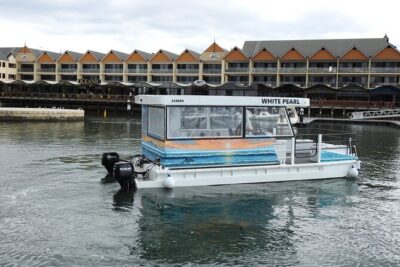
Browse the lists this tour appears in