
REVIEW · NEW ZEALAND
Dolphin & Wildlife Encounters
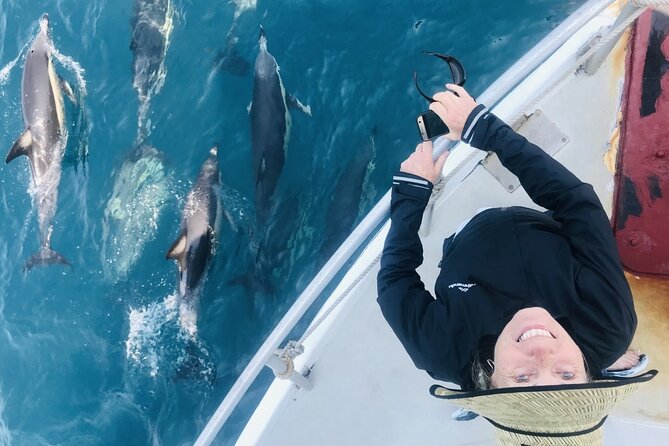
The best part of this Tauranga cruise is the chance to watch wild marine life from a spacious boat with 360-degree outdoor views. Dolphins may swim beside the vessel, while seasonal sightings can include seals, penguins, whales, sunfish, seabirds, sharks, turtles and orca. The crew searches carefully and points out what appears, so you have a fair chance to see the action from more than one part of the boat.
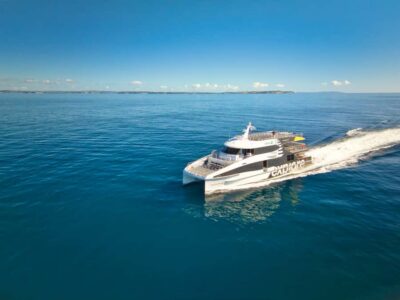
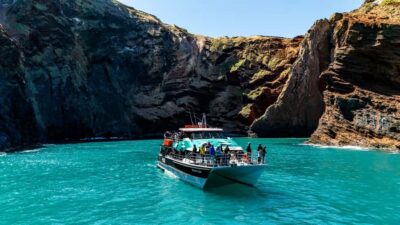
I like the 18 metre vessel, which gives you an open sun deck for watching and enclosed seating when the wind picks up. I also like the limited passenger number of 50, since it should feel less crowded than a large sightseeing boat. The main consideration is simple: wildlife is wild, and no species or close encounter can be promised.
Key points to know before you sail
- Dolphins are the main draw: The crew actively searches for dolphins that may swim alongside the boat, with time for everyone to move around and watch.
- A proper wildlife-search boat: You get an open upper deck, enclosed lower seating and outdoor views around the vessel.
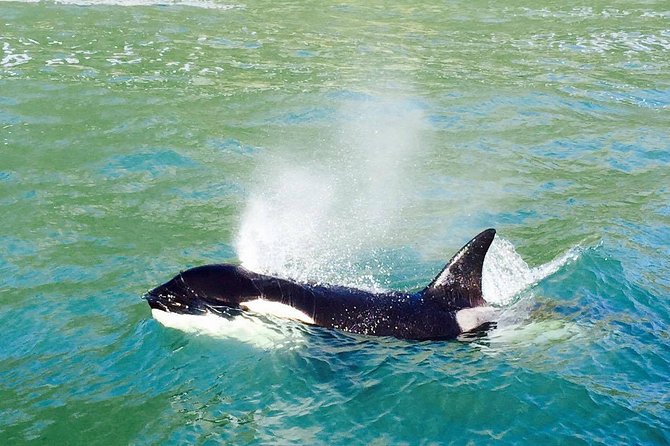
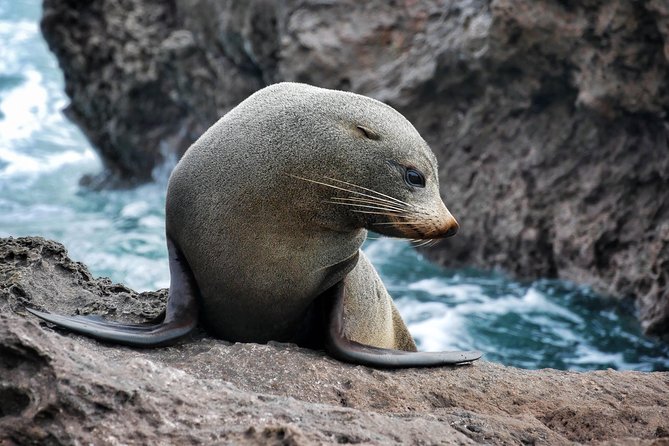
- Seasonal sightings vary: Penguins, seals, whales, sunfish, sharks, turtles, seabirds and orca may appear, depending on conditions and the time of year.
- A compact half-day outing: The cruise starts at 9:00 am and returns to Tauranga at about 2:00 pm, leaving the afternoon free.
- Good for families: The spacious boat and maximum group size of 50 offer more room than a tightly packed excursion.
- Weather matters: Poor conditions can lead to a new date or a full refund, and the trip also requires a minimum number of participants.
Setting out from Tauranga at 9:00 am
Your morning begins at Bay Explorer, 115 The Strand, Tauranga. The activity ends at the same place, so you do not need to arrange a second pickup point or find your way back from another harbor.
The five-hour schedule works well for a day in the Bay of Plenty. You return at about 2:00 pm, leaving time for lunch, Mount Maunganui, or another activity around Tauranga. If you are staying in Rotorua, the timing is also designed to get you back there at about 3:00 pm, although the supplied information does not include transport between Rotorua and the harbor.
You receive a mobile ticket, and confirmation arrives when you book. The cruise allows service animals and is near public transportation. Most people can take part, but you should still think about your comfort on a moving boat and the possibility of wind or changing weather.
The group limit is 50 people. That is not a private charter, but it is small enough to make moving between viewing areas practical. Wildlife watching works best when you can shift position, especially if dolphins appear on one side and seabirds or larger animals show up on the other.
More Dolphin and Wildlife Eco Tours in New Zealand:
- Akaroa Dolphins ~ Harbour Nature Cruise
★ 5.0 · 2,143 reviews - Auckland: Whale and Dolphin Watching Half-Day Eco Cruise
★ 4.5 · 1,072 reviews - Akaroa: Dolphin Nature Cruise
★ 4.9 · 440 reviews
The 18 metre boat and its two viewing levels
The boat is built for looking outward rather than simply getting from point A to point B. Its upper sun deck provides open-air views, while the lower level has fully enclosed seating. This arrangement gives you a useful choice throughout the cruise.
I would spend much of the first part of the trip on the upper deck, especially when the sea is calm and the visibility is good. You can scan the water, watch the coastline and listen for directions from the crew. If the wind grows stronger or you need a break from the sun, the enclosed downstairs area gives you somewhere more sheltered to sit.
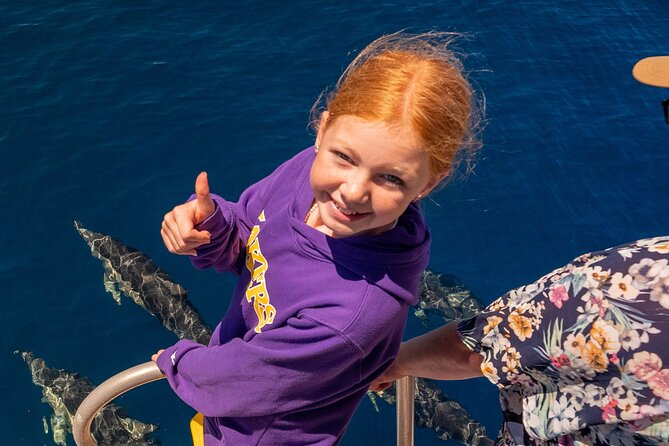
The wide viewing setup also helps when the boat encounters dolphins. A single crowded rail can turn a good sighting into a game of shoulder-to-shoulder guessing. Here, you can move to different parts of the vessel. A particularly important part of the crew’s approach is making sure everyone has a chance to see the animals from different positions rather than rushing away after the first glimpse.
Bring a camera, but keep your attention on the water. Wildlife rarely waits for a perfectly framed photograph, and a long lens is not mentioned as part of the equipment. The boat is described as suitable for photographers because it can approach wildlife closely, but the distance and angle will depend on the animals and sea conditions.
Mount Maunganui views before the open water
The route includes several points around Mount Maunganui, beginning with the summit track. This does not mean you stop for a summit walk during the cruise. Instead, the route gives you a water-based view of one of the Bay of Plenty’s best-known coastal landmarks.
Mount Maunganui’s summit track is normally associated with walking and high views, but from the boat you get a different perspective. You can see how the mount rises beside the coast and how the built shoreline meets the water. If you have already walked the track, the cruise adds a useful view from below. If you have not, it gives you a taste of the area without using part of the morning on a climb.
The route also includes Mount Maunganui Main Beach and the base track. These sections help place you in the local setting before the cruise ranges farther among the islands. The main beach is a familiar coastal scene, while the base track shows the lower slopes and shoreline from the water.
This early part of the trip may be less exciting than a dolphin sighting, but it gives the cruise a sense of place. You are not simply riding offshore in open water. You are seeing the Bay of Plenty from a boat, with the coast and islands forming the backdrop to the wildlife search.
Pilot Bay and the change from harbor to coast
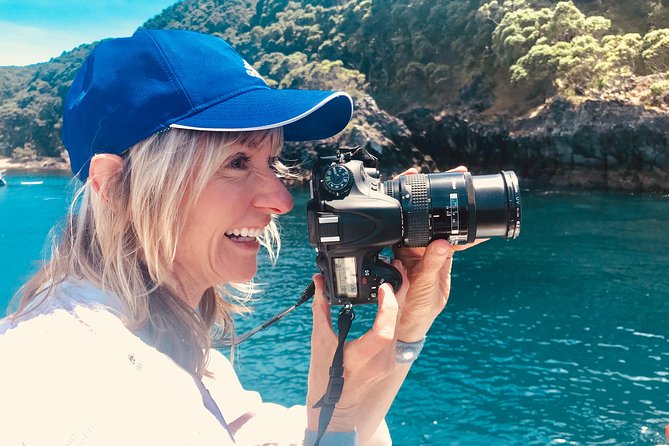
Pilot Bay is another listed point along the route. Its sheltered position near Mount Maunganui makes it a natural part of the harbor-side portion of the cruise. From the boat, you can watch the character of the shoreline change as the route moves away from the most familiar beach and waterfront views.
This is also a useful time to settle into the rhythm of the trip. The crew provides commentary and facts about the bay and local marine life, so you are not left to identify every fin or bird on your own. The commentary is part of the value here. A sighting means more when you understand something about the animal, its habitat, or why it appears in this part of the bay.
The cruise is built around searching, not a fixed parade of attractions. That means some stretches may involve scanning the water and waiting. I see that as an important part of the experience, but it may not suit someone who wants constant activity or a guaranteed close encounter every few minutes.
A few more dolphin trips around New Zealand worth a look
- Auckland Dolphin and Whale Watching Eco-Safari Cruise
★ 4.5 · 1,790 reviews - Paihia/Russell: Hole in the Rock, Dolphins & Island Cruise
★ 4.6 · 821 reviews - Auckland: Tikapa Moana Whales, Dolphins and Islands Cruise
★ 3.9 · 292 reviews - Swimming with Wild Dolphins in Akaroa
★ 4.5 · 261 reviews
Moturiki Island and the wider Bay of Plenty
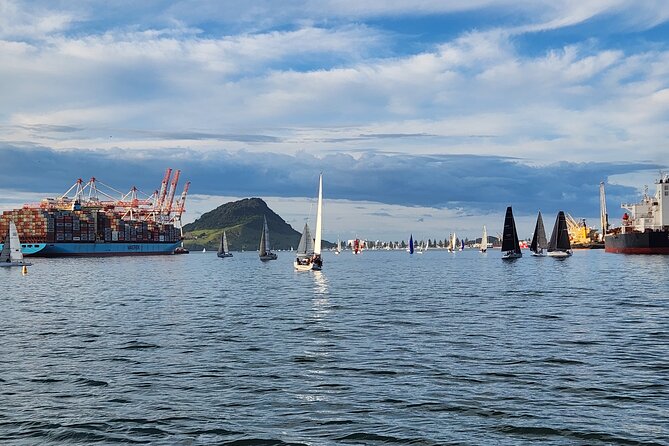
Moturiki Island takes the route farther from the immediate Mount Maunganui waterfront. It adds a more open coastal setting and gives the wildlife search a broader area in which to unfold.
The most useful way to think about this part of the trip is as a chance to look beyond the shore. Dolphins, seabirds and schools of fish may be easier to spot when the vessel reaches more open water, although the exact sightings depend on nature and conditions. The crew’s job is to keep searching and direct your attention when something appears.
Moturiki also gives you a sense of the Bay of Plenty as a connected marine area. The islands are not just scenic stops. They form part of the habitat where birds and marine animals feed, travel and gather. The onboard references help tie the views to the life beneath and around the boat.
If you have children with you, this section can work well because everyone can take part in the search. Give each person a side of the boat for a while, then swap. That simple approach keeps the waiting periods active without turning the cruise into a competition.
Mayor Island and the wildlife search
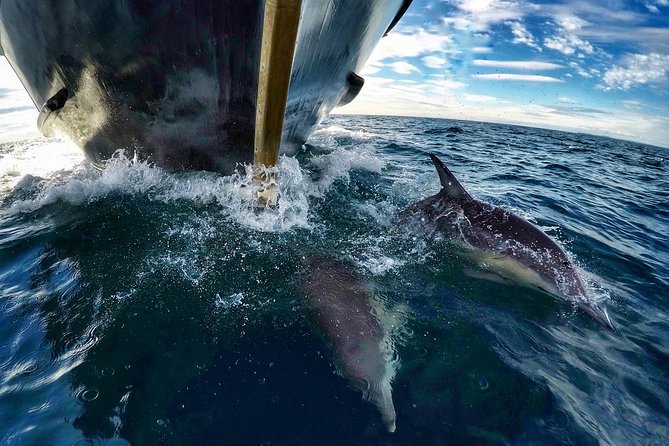
Mayor Island is the farthest named point in the route. Its presence on the itinerary signals that this is more than a short harbor ride. The cruise reaches into the wider Bay of Plenty, where the crew searches for a wider range of seasonal marine life.
The possible sightings are unusually broad. Dolphins are central to the experience, but the list also includes penguins, seals, whales, sunfish, seabirds, sharks, turtles and orca. Some are likely to be more seasonal or less common than others, so you should treat the list as a guide to what may be encountered, not a checklist for the day.
That uncertainty is both the appeal and the limitation. You may see dolphins swimming alongside the boat, or you may spend time watching seabirds and schools of fish while the crew searches for larger animals. A whale or orca sighting would be a major bonus, but it cannot be guaranteed by the ticket.
The crew’s patience matters here. The best account of the cruise highlights that the crew worked hard to locate dolphins, gave everyone opportunities to see them from different parts of the vessel, and did not rush the encounter. That is exactly the kind of conduct you want on a wildlife trip. A fast pass by one side of the boat would favor only a few people. Taking time makes the experience fairer and more relaxed.
Commentary that makes the animals easier to understand
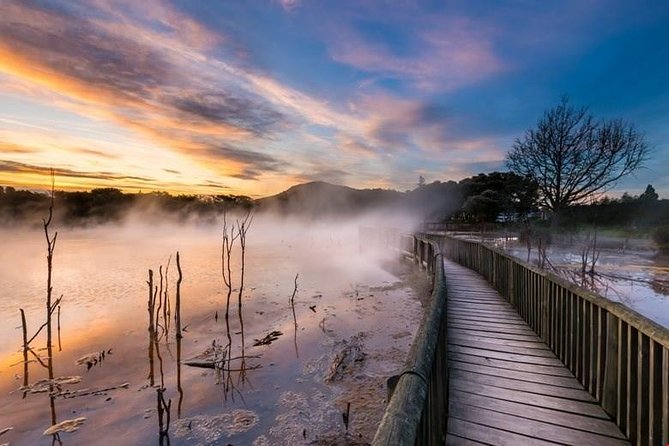
The onboard commentary covers the Bay and local marine wildlife. It is not just background noise while the boat moves. It helps you know where to look and gives meaning to the animals you see.
A school of fish, a seabird or a seal can be easy to miss if you are staring at the wrong patch of water. The crew points out what they see, which is especially useful when the animal appears only briefly. Their commentary also supports the wider purpose of the cruise: learning about the relationship between people, marine animals and their habitat.
I would listen closely during quiet stretches. Those periods are part of the search, and the information helps prevent the cruise from feeling like empty travel time. The experience is framed as a genuine New Zealand nature outing rather than a simple sightseeing transfer, and the commentary is what gives that idea substance.
The supplied information does not name individual crew members, so I cannot tell you who will command your particular departure. You can expect a captain and an experienced Bay Explorer crew, but names may vary.
What the $108.60 price gives you
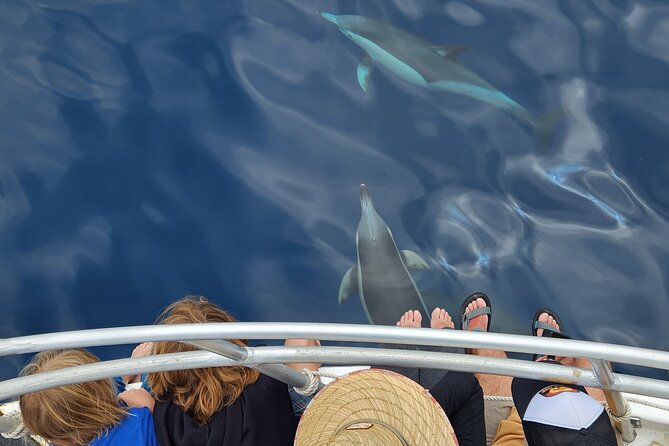
At $108.60 per person, this is not a cheap harbor ride, but the price covers about five hours on the water. You are paying for a longer coastal cruise, a purpose-built viewing setup, crew commentary and the chance to search a marine area with a wide range of wildlife.
The value depends on how you judge a nature experience. If you need guaranteed dolphins, whales or orca, no wildlife cruise can fully meet that expectation. If you value time on the water, space to move, local information and the possibility of a memorable sighting, the price is easier to justify.
The limited capacity also matters. A maximum of 50 people gives you a better chance of finding a clear viewing spot than a much larger boat would. It does not make the trip private, but it supports a more personal feel.
Drinks are not included. The licensed bar offers chilled regional wine, local beer and non-alcoholic beverages for purchase. The supplied details do not state whether food is sold, so plan around that uncertainty rather than assuming a meal is provided.
Who will get the most from this cruise
I would recommend this outing to anyone who enjoys wildlife without needing a fixed script. Families may appreciate the roomy vessel, the enclosed seating and the chance to move around. Photographers will value the outdoor viewing areas and the possibility of close encounters, while still needing patience and flexibility.
It also suits visitors with a spare morning or afternoon who want to add a marine experience to time in Tauranga. The return around 2:00 pm makes it easier to combine with other plans than a full-day sailing trip.
You should think twice if you dislike open water, changing weather or periods of waiting. The cruise requires good weather, and a wildlife search can never guarantee a particular animal. The open sun deck is a major feature, but it also means you should be ready for sun and wind.
Free cancellation is available up to 24 hours before the start time for a full refund. Changes or cancellations inside that window are not accepted for a refund. If poor weather or low numbers cancel the trip, you are offered another date or experience, or a full refund.
Should you book Bay Explorer?
Book it if you want a spacious half-day cruise focused on wild marine life rather than a quick ride around the harbor. The strongest reasons are the 18 metre boat, the open views, the maximum group size of 50 and the crew’s careful approach to giving everyone time to see dolphins.
Go in with realistic expectations. Dolphins may swim beside the vessel, but whales, orca, turtles and other animals are seasonal possibilities, not promises. For a flexible nature outing that leaves your afternoon free, this is a strong choice in Tauranga. For guaranteed sightings or a tightly timed list of attractions, choose a different kind of activity.
FAQ
Where does the Dolphin and Wildlife Encounters cruise start?
It starts at Bay Explorer, 115 The Strand, Tauranga 3110, New Zealand.
What time does the cruise begin?
The cruise starts at 9:00 am.
How long does the cruise last?
The cruise lasts approximately five hours and returns to Tauranga at about 2:00 pm.
What wildlife might I see?
Possible sightings include dolphins, penguins, seals, whales, sunfish, seabirds, sharks, turtles, orca and schools of fish. Sightings are seasonal and cannot be guaranteed.
How many people can join the cruise?
The activity has a maximum of 50 travelers.
What happens if bad weather cancels the cruise?
If poor weather cancels the experience, you are offered a different date or a full refund.
Just added around New Zealand
- Half Day Dolphin & Wildlife Cruise – Tauranga★ 4.5 · 103 reviews
- Captain Cook and Dolphin Cruise★ 4.5 · 26 reviews
- Bird Watching and Dolphin Eco-Tour to Blumine Island★ 5.0 · 55 reviews
- The Original Full day Bay of Islands Cruise with Dolphins★ 5.0 · 13 reviews
- Kaikoura Swim with Dolphins Tour from Christchurch★ 4.5 · 27 reviews
- Kaikoura Whale and Dolphin Overnight Tour from Christchurch★ 4.0 · 9 reviews
- Akaroa with optional dolphin cruise (Small Group Tour)★ 5.0 · 3 reviews
- Akaroa Swim with Dolphins Tour from Christchurch★ 4.0 · 35 reviews
New Zealand Dolphin Tours, compared.
Auckland Dolphin and Whale Watching Eco-Safari Cruise
Read our review →
Auckland: Whale and Dolphin Watching Half-Day Eco Cruise
Read our review →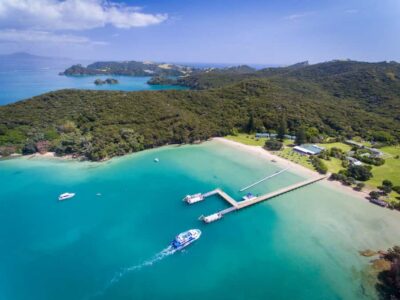
Paihia/Russell: Hole in the Rock, Dolphins & Island Cruise
Read our review →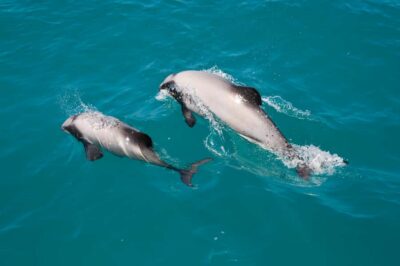
Auckland: Tikapa Moana Whales, Dolphins and Islands Cruise
Read our review →
Browse the lists this tour appears in