
REVIEW · LISBON
Lisbon: Dolphin Watching with Marine Biologist
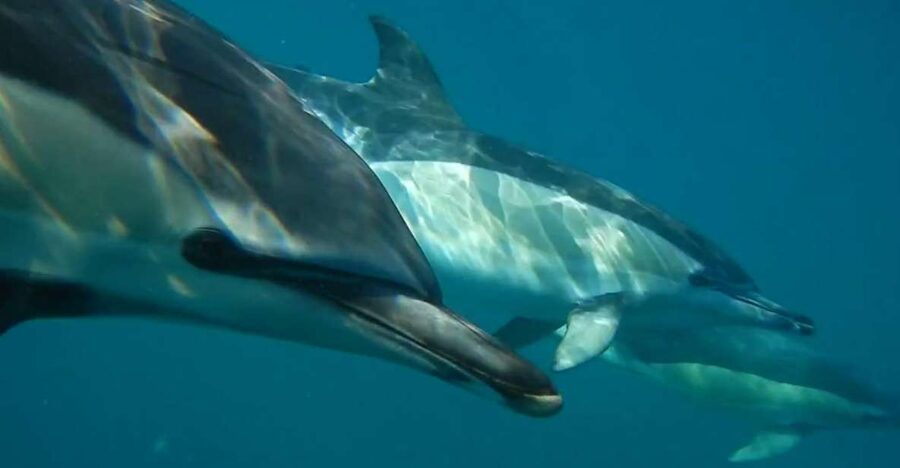
The best part of this Lisbon outing is that you are not watching trained animals in a tank. You are scanning the open Atlantic for wild dolphins, with a marine biologist explaining their behavior, habitat, and the other creatures around them. If the dolphins keep their distance, the ride and coastal views still give you a good half-day on the water.
I like the small, wildlife-first approach, and I like the fast rigid inflatable boat, which gets you from the Tagus estuary toward the open sea without wasting much of the three-hour trip. The tradeoff is simple: dolphins are wild, and even a reported 97 percent sighting rate is not a promise. The boat can also be bumpy in rough water.
Key points at a glance
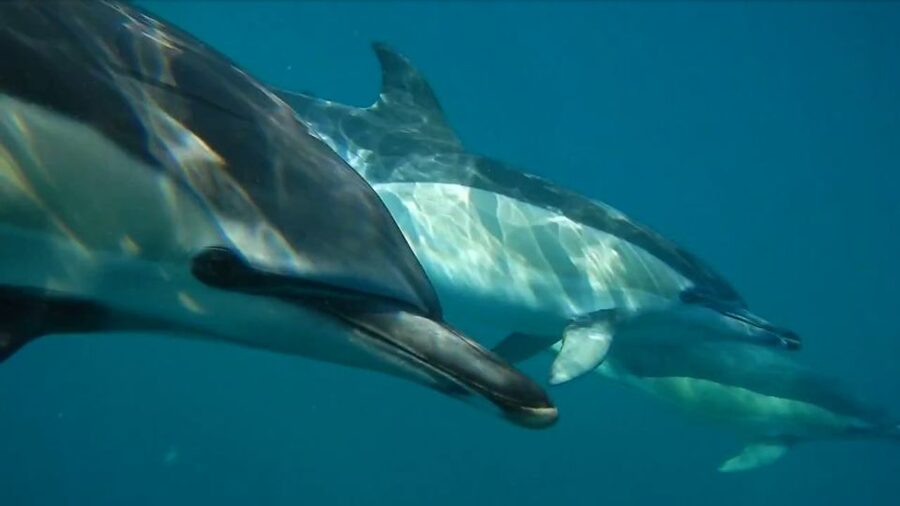
- Wild dolphins, not a staged animal encounter: The crew keeps a respectful distance and lets the animals choose how close to come.
- A real marine biology lesson: Guides explain dolphin species, seabirds, fish, sunfish, sharks, jellyfish, and possible sea turtles.
- Fast RIB from central Lisbon: You leave from Doca de Santo Amaro, under the big red bridge in Alcântara.
- Three hours on the water: The trip combines open-ocean searching with views of Bugio Lighthouse, Belém Tower, Jerónimos Monastery, and the Discoveries Monument.
- High sighting odds, but no guarantee: The operator reports a 97 percent chance of seeing dolphins, while wild animals always have the final say.
- Bring warmth and a strong stomach: Even on a sunny day, the boat ride can feel cold, windy, and rough.
Why this dolphin tour feels different
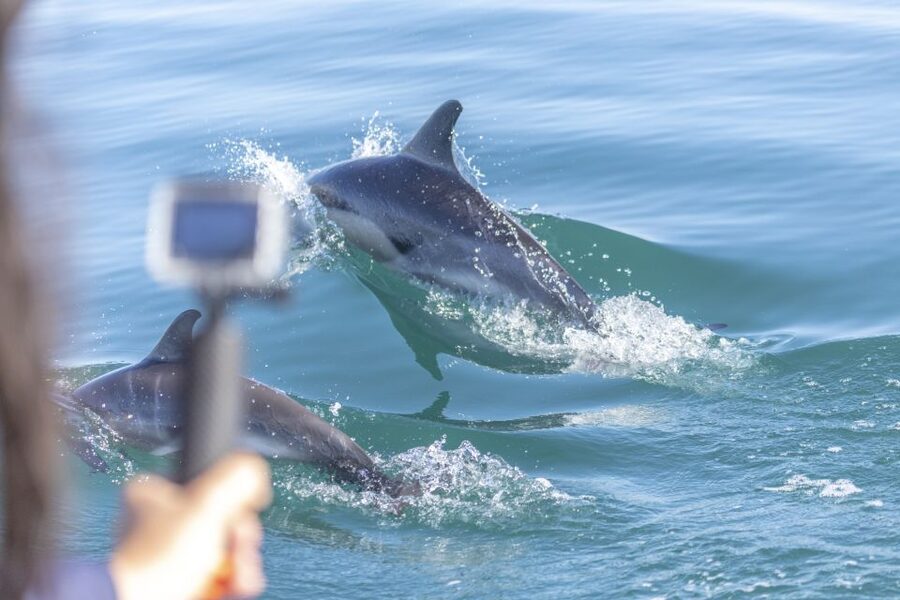
Lisbon has plenty of boat trips, but this one is built around finding marine life rather than simply cruising past monuments. You leave the city by water, pass the busy riverfront, and then head toward the point where the Tagus meets the Atlantic. That change in scenery is part of the pleasure.
The marine biologist gives the outing purpose. You are not just told to look for fins. You learn how to watch the water, how different dolphin species behave, and why the meeting of river and ocean attracts so much life. The guide may also point out seabirds and explain what you are seeing if dolphins do not appear right away.
The crew’s approach to the animals matters. The boat does not chase a pod aggressively or try to force a close encounter. It keeps its distance, and dolphins sometimes come over on their own. That can mean a longer wait, but it also makes the sighting feel genuine.
Guides named in passenger accounts include Sid, Bart, Sara, Cidonio, and Lunor. The exact guide depends on the departure, but the pattern is clear: expect a crew that mixes practical safety advice with facts about marine life and local landmarks. French, English, Portuguese, Italian, and Spanish are offered.
More Dolphin Trips with a Marine Biologist in Portugal:
- Portimão: Benagil Caves & Dolphins Watching with Biologist
★ 4.8 · 3,795 reviews - Lagos: Combo Dolphin and Benagil Tour with Marine Biologist
★ 4.7 · 2,352 reviews - Lagos: Dolphin Watch Tour with Professional Marine Biologist
★ 4.9 · 1,500 reviews
Leaving Doca de Santo Amaro under Lisbon’s red bridge
The meeting point is at Gate 3 in Doca de Santo Amaro, in the Alcântara area. The large red bridge is the useful landmark. The boat is at the dock underneath it, on the Lisbon side of the river.
Allow time to find the pier. The address is in a riverside zone, and directions can feel less obvious once you reach the marina. Public transport can get you there from central Lisbon, so you do not need a car. Check the departure details carefully and watch for the operator’s message, which is sent to your mobile phone 24 hours before the activity.
After boarding, the crew gives a safety briefing. Lifejackets, insurance, fuel, and taxes are included. The safety talk is not just paperwork: the RIB moves quickly, and you need to know how to sit, hold on, and respond to the crew before reaching open water.
Wear flat, comfortable shoes. High heels are not allowed, and sandals that slip easily are a poor choice. Bring sunscreen, a camera, a jacket, and clothing that can handle wind and spray.
The RIB ride from the Tagus to the Atlantic
The rigid inflatable boat is fast, open, and built for moving across the water. That speed is useful because dolphins may be well beyond the city, and the crew needs to cover a large search area within three hours.
The ride itself is part of the experience. On calm days, it feels lively and smooth enough to enjoy the views. When the sea is choppy, the boat can bounce hard. One passenger compared the motion to riding a horse, which gives you a fair idea of the rhythm. If you have severe back problems, this is not a sensible choice.
You should also prepare for cold. Even in Lisbon’s warm weather, wind on the Atlantic can cut through light clothing. Several people strongly wished they had brought a warmer jacket. The operator may have wind jackets available on some departures, but you should not depend on that.
If you get seasick, eat a good breakfast before leaving, but avoid milk, cream, and yogurt. Food and water are not included, so bring what you need unless the operator gives different instructions. Smoking, alcohol, drugs, littering, feeding animals, and touching marine life are not allowed.
Searching for dolphins with a marine biologist
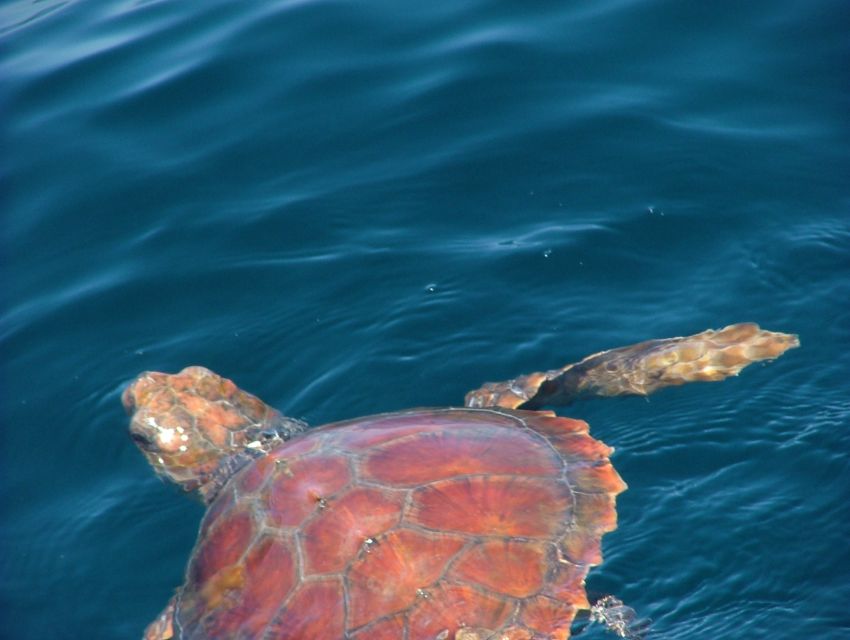
Once the boat reaches the open water, the pace changes. The crew scans the surface, checks likely areas, and asks you to watch for movement, splashes, or a dorsal fin. The wait can be part of the fun, but you need patience.
Sightings have ranged from dolphins appearing within minutes of leaving the port to searches lasting more than two hours. One departure found dolphins after about 40 minutes, while another took roughly two and a half hours. That difference is exactly why you should treat the outing as a wildlife search, not a guaranteed performance.
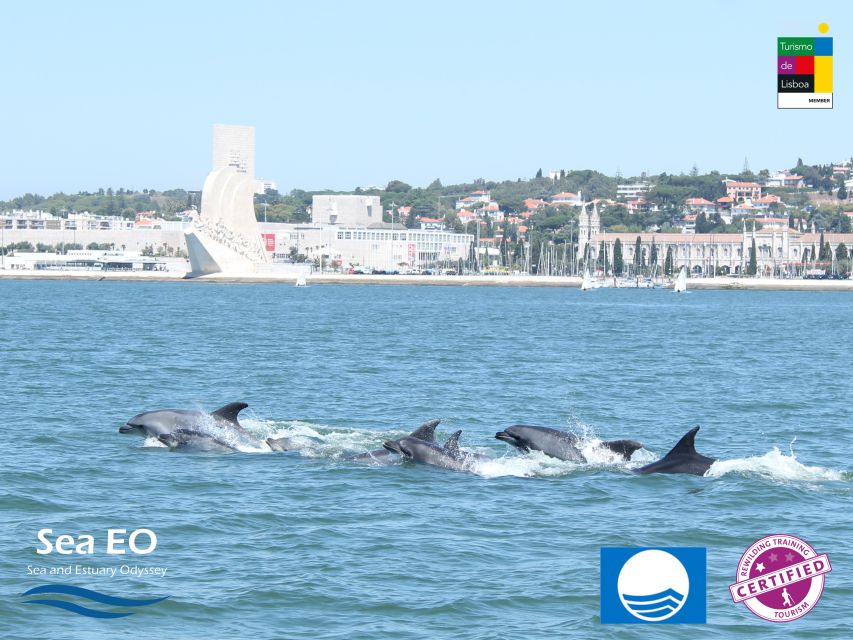
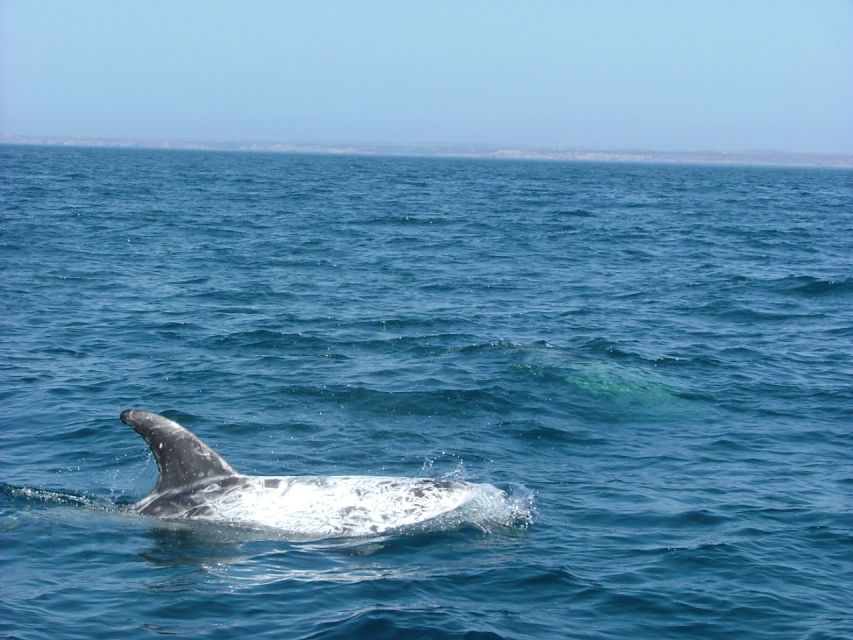
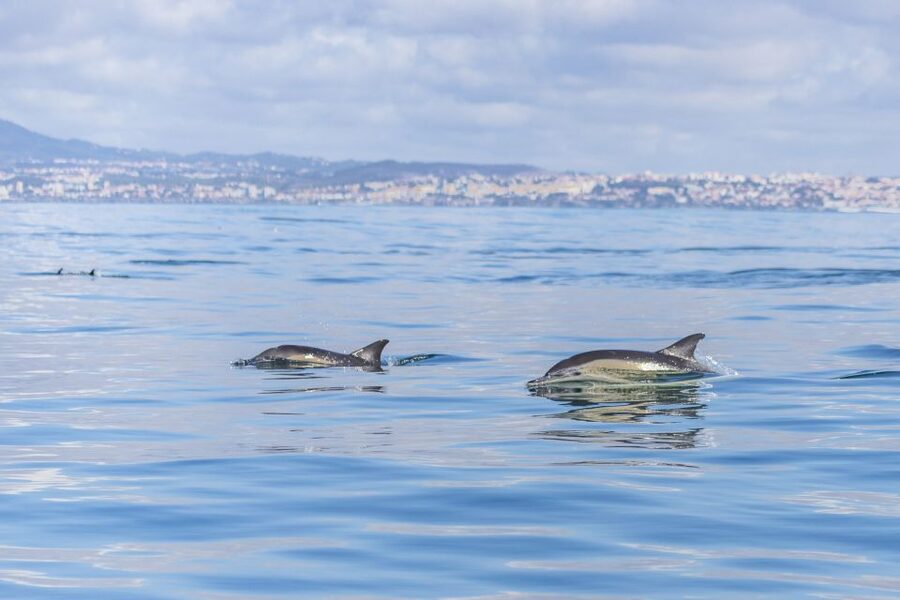
When dolphins appear, the crew explains what you are seeing and how the animals are moving. You may encounter bottlenose dolphins, harbour porpoises, or other dolphin species. Some departures have seen two or three species, and young dolphins have occasionally approached out of curiosity.
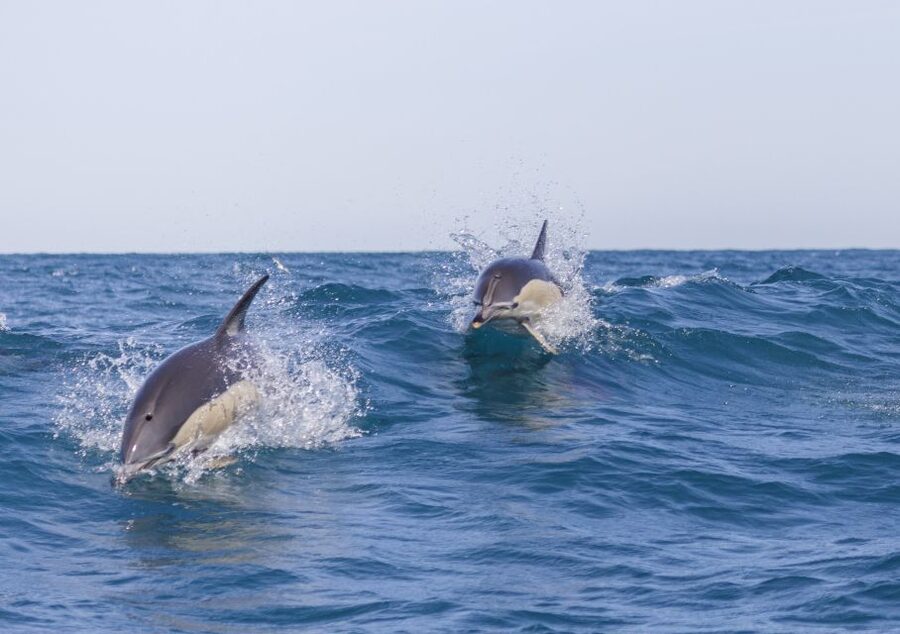
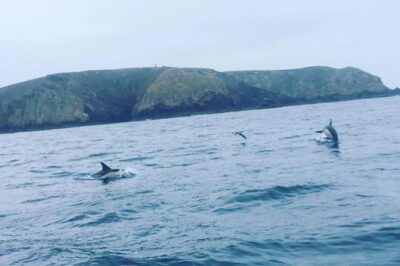
Large groups are possible. People have counted around 20 or more than 30 dolphins on some trips. Dolphins may swim alongside the RIB, pass under it, jump, or remain farther away. Their behavior changes from day to day, and no one can promise a close approach.
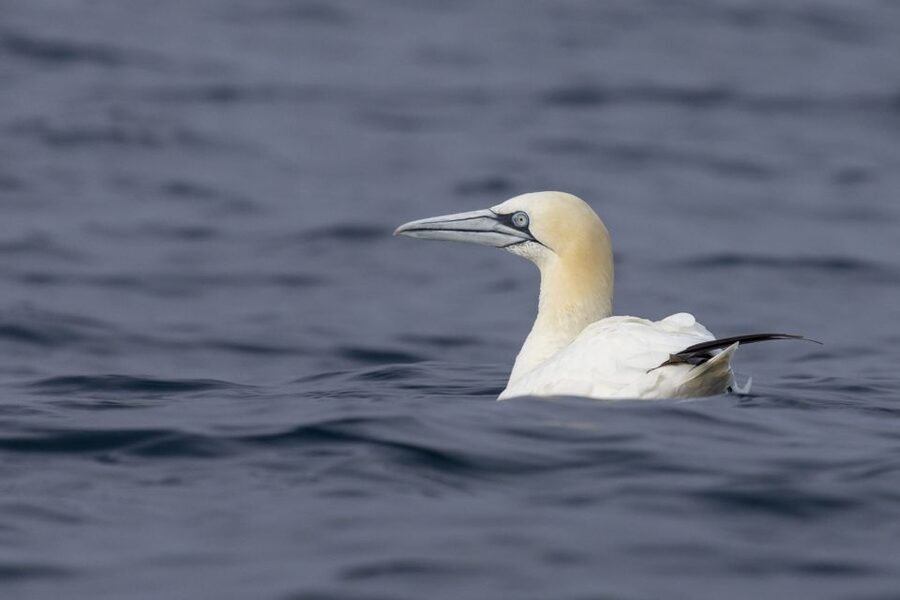
Other sightings can include seabirds, sunfish, fish, sharks, jellyfish, and sea turtles. Orcas have also been seen on rare occasions, including a pod with a young animal. That is an extraordinary possibility, not something to book the tour expecting.
A few more dolphin trips around Portugal worth a look
- Albufeira: 2.5-Hour Benagil Caves & Dolphin Watching
★ 4.6 · 10,710 reviews - From Funchal: Ecological Catamaran Dolphin Whale Watching
★ 4.5 · 8,204 reviews - Albufeira: Benagil Caves & Dolphin Watching Speed Boat Tour
★ 4.6 · 6,316 reviews - Funchal: Dolphin and Whale Watching Catamaran Cruise
★ 4.5 · 5,697 reviews
Bugio Lighthouse and the open-water views
The Fort of São Lourenço do Bugio sits on a small island at the mouth of the Tagus. Its lighthouse is one of the most memorable sights from the boat. You see Lisbon from a different angle here, with the river opening toward the Atlantic and the fort marking the transition between sheltered water and open sea.
This section is scenic even if the animals are quiet. The guide can talk about the fort, the coast, and the water around it while the captain handles the boat. The open setting also helps explain why sightings are unpredictable: you are searching a broad stretch of sea rather than visiting a fixed wildlife spot.
The trip may continue toward the Cascais area, shown in the route as JJ85+VG Cascais. This is another marine-life search zone. The boat can look for dolphins and whales while you watch for seabirds and other surface activity.
Do not expect a sightseeing cruise with a slow, steady ride. The RIB is designed to travel quickly, and the outer sections can be windy and bumpy. If you prefer a gentle boat with plenty of indoor shelter, choose a different type of cruise.
Returning past Belém’s great monuments
The return route brings the city back into view. From the river, you can see the Belém Tower, the Monument to the Discoveries, and the Jerónimos Monastery. The official stop at Belém Tower is brief, around five minutes, so think of this as a photo and orientation stop rather than a visit inside the monument.
That is a good design choice for this particular outing. You have already spent the main part of the tour looking for animals, and the landmarks give the final stretch a clear sense of place. You see the monuments from the water, where their position along Lisbon’s historic riverfront makes more sense.
The guide may also add local history during this part of the ride. Some trips have included commentary about Lisbon, the Tagus, nearby towns, and the old maritime connections of the area. The focus remains marine life, but the city views keep the return journey interesting.
The boat comes back to SeaEO Tours at Doca de Santo Amaro. The full activity lasts about three hours, though time spent searching can vary with conditions and animal movement.
What $76 gets you, and what it does not
At $76 per person, this is not the cheapest way to get on the Tagus. It is a fair price if you value three things: a fast boat that can reach the open sea, a specialist guide, and a serious attempt to find wild animals.
The cost includes the marine biologist, other crew members, lifejackets, insurance, fuel, and taxes. You are paying for the boat and the staff’s time, not a meal or a full-day excursion. Food and water are not included.
The value improves if dolphins are a major goal of your Lisbon visit. You get a longer search period than a simple city cruise, plus explanations that help you understand what you see. Even an unsuccessful search still gives you a high-speed trip along the coast and views of Lisbon’s major riverfront monuments.
The price is less attractive if you want a guaranteed close encounter, a quiet ride, or a long stop at Belém. No operator can control wild dolphins, and rough seas can make the experience tiring. The company reports a 97 percent sighting chance, but that should guide your expectations rather than remove the uncertainty.
Safety, comfort, and who should skip it
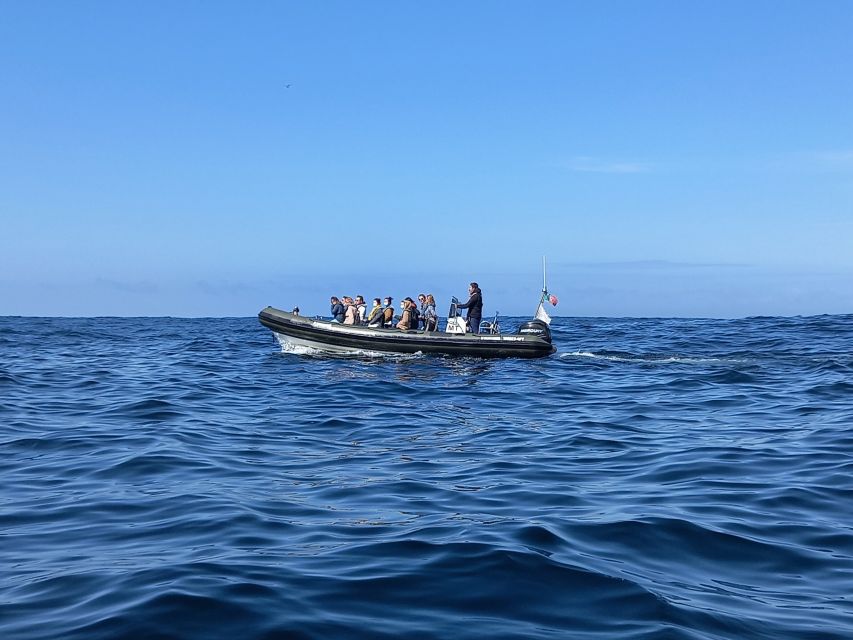
The boat is described as safe and comfortable when ocean conditions are suitable. The crew checks conditions before departure, and the trip can be cancelled if weather makes it unsafe. You are then offered another date or a full refund.
Still, comfort depends heavily on the sea. The RIB is small enough to feel the waves, especially farther from the river. Sit securely, follow the crew’s instructions, and keep your camera protected from spray.
This tour is not suitable for children under five, pregnant women, people with severe back problems, people with mobility impairments, or wheelchair users. The operator does not refund bookings made for those categories, so check the restrictions before paying.
I would choose this for couples, families with older children, solo visitors who like nature, and anyone who wants an active half-day away from Lisbon’s streets. It is especially good for people who care about animal welfare and want a guide who can explain the science rather than simply point at a fin.
Small details that make the day better
A few practical choices can improve the outing:
- Bring more clothing than you think you need. Wind on the ocean can make a sunny day feel cool.
- Use sunscreen even when the air feels cold. There is little shade on an open RIB.
- Keep your eyes moving. Dolphins can appear on either side of the boat, and the first sign may be a small splash.
- Do not measure success only by distance. A pod staying farther away is still a real wild encounter.
- Allow extra time around the meeting point. Doca de Santo Amaro is easy to reach once you know the red bridge and Gate 3, but the dock can take a moment to locate.
- Keep expectations flexible. A calm day may bring close dolphins, seabirds, sunfish, or several species. Another day may bring only ocean views and a fast ride.
Some departures have included a small taste of Moscatel de Setúbal near the end. Treat that as a possible extra, not part of the listed inclusions, and do not plan your food and drink around it.
Should you book the Lisbon dolphin tour?
Book it if you want real wildlife in the open sea, a lively boat ride, and a guide who can add meaning to what you see. The strongest reasons to go are the marine biologist, the respectful distance from the animals, and the chance to combine dolphins with Bugio Lighthouse and Belém views.
Skip it if you need a guaranteed sighting, have serious back or mobility limits, or dislike rough water. For everyone else, $76 buys a well-focused three-hour outing that reaches beyond the usual Lisbon sightseeing circuit. Bring a warm jacket, accept the uncertainty, and let the dolphins set the schedule.
FAQ
Where does the dolphin tour depart from?
It departs from SeaEO Tours at Doca de Santo Amaro, Gate 3, in the Alcântara area of Lisbon. The dock is under the large red bridge and beside the riverside.
How long does the activity last?
The activity lasts three hours. The exact start time depends on availability.
Are dolphin sightings guaranteed?
No. Dolphins are wild animals and sightings cannot be guaranteed. The local partner reports a 97 percent chance of seeing dolphins.
What languages are available?
The live guide service is available in Portuguese, English, French, Italian, and Spanish.
What should I bring?
Bring comfortable shoes, a camera, sunscreen, a jacket, and comfortable clothing. Food and water are not included.
Who cannot take this tour?
The activity is not suitable for children under five, pregnant women, people with severe back problems, people with mobility impairments, or wheelchair users.
Just added around Portugal
- X Plorer – Caves (Benagil) & Dolphins Cruise★ 4.5 · 116 reviews
- Vilamoura: Boat Tour Dolphin Quest & Marine Life Search★ 4.9 · 71 reviews
- Azores: Swim with Dolphins Atlantic Experience★ 4.4 · 29 reviews
- Dolphin Watching and Cave Tour from Vilamoura★ 4.0 · 63 reviews
- Vilamoura Tour to Benagil and the Dolphins★ 4.0 · 14 reviews
- Dolphin Quest & Marine Life Search★ 5.0 · 90 reviews
- Terceira Island: Swimming with Wild Dolphins | Natural Habitat★ 5.0 · 17 reviews
- Terceira Island: Whale & Dolphin Watching | Best Wildlife Tour★ 4.0 · 24 reviews
Lisbon Dolphin Tours, compared.

Lisbon: Tagus River Cruise to the Ocean & Dolphin Watching
Read our review →
Lisbon: Dolphin Watching with Marine Biologist – Small Group
Read our review →
Lisbon: Dolphin Watching with a Marine Biologist – Ocean Safari
Read our review →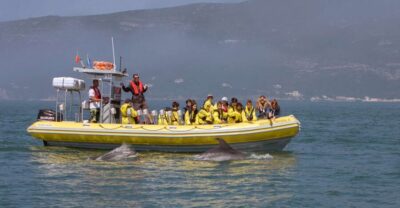
Lisbon: Arrábida Natural Park Dolphin Watching Boat Tour
Read our review →Lisbon: Dolphin Watching with Marine Biologist – Small Group
Read our review →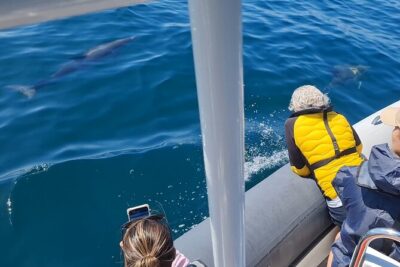
Meet the Lisbon Dolphins – Dolphin Watching in Lisbon
Read our review →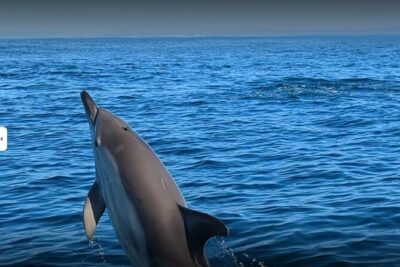
Browse the lists this tour appears in